

Convenience Creates Fragility: What Starbucks’ App Outage Really Exposed
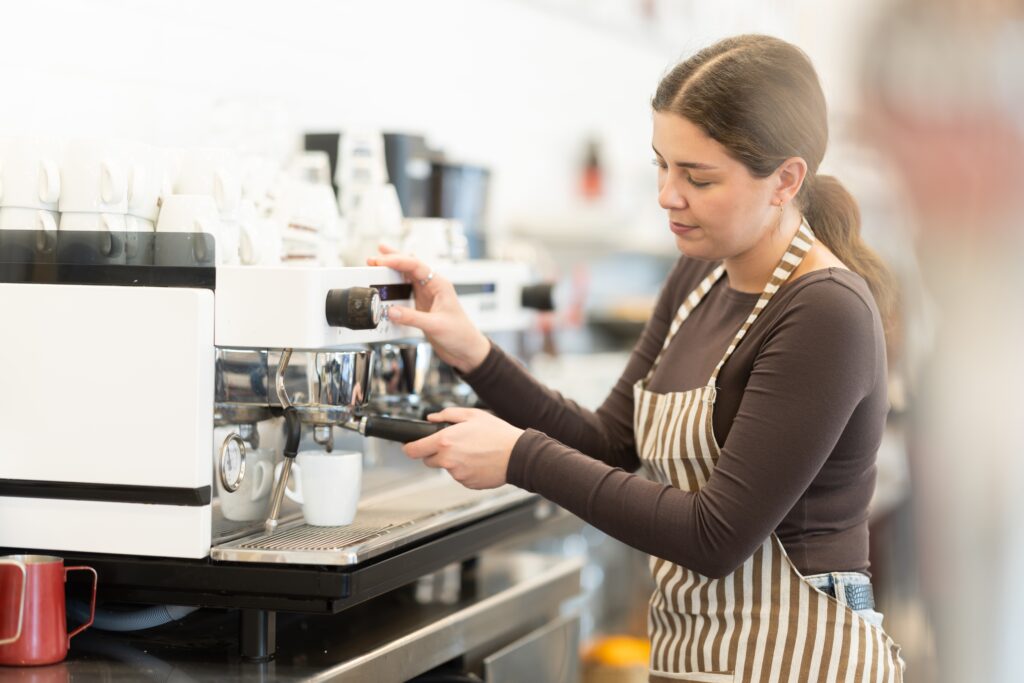
On July 6, the Starbucks app went dark — nearly 2,000 frozen orders, inaccessible rewards, and by some estimates, more than 30% of the day’s mobile business disrupted in a single morning. That number matters more than the outage itself. It’s proof of something I call reputational elasticity — how much a brand can stretch before a failure snaps into a full-blown trust crisis. Some brands are more elastic. They face limited competition, so customers wait out an outage because there’s nowhere else to go (utility companies). Others are less elastic — competition is fierce and trust was already thin, so one bad morning sends customers straight to the next app on their home screen. Here’s the part most leaders miss: Starbucks isn’t just selling coffee. It’s selling convenience — a behavior, a routine, a friction-free two minutes wedged into someone’s morning. The product isn’t the espresso. It’s the absence of effort. That’s exactly why convenience creates fragility. The more a brand eliminates friction, the more its customers forget how to tolerate any. A bank card gets declined and people feel panic, not patience. GPS drops mid-drive and people feel stuck, not resourceful. A gym key fob fails twice and people just stop trying the door. Starbucks, Costco, DoorDash — brands built on convenience — all carry this same exposure. The easier you make life, the less runway you have when the system breaks. I’ve never seen a lack of composure make a situation better, and the same holds for leaders who build convenience without building resilience behind it. Sell convenience if you want loyalty. But protect it like the asset it is — because the moment it fails, elasticity is the only thing standing between an inconvenience and a crisis.
