

Build Your Social Champions

Some of your biggest champions during a crisis may end up being your social media followers…but waiting to build those ambassadors until crisis strikes means you’re too late to capitalize on this important communications outlet. Check out our video for some quick tips, and contact us at https://fallstongroup.com/contact-us/ or call 410-420-2001 for more information.
What’s the “Why” Behind a Crisis?
Many crises are sustained campaigns, not situational media events. In my view, reputation leads to trust and trust leads to valuation. You see, snatching victory from the jaws of defeat is all about the restoration of trust and restoring that reputational piggy bank balance which succumbed to overdraft status. We know crises can be natural, like an earthquake, or human-induced, like an egregious crime or gross mismanagement. Crises can be sudden or smoldering, high-impact or low-impact. Sometimes organizations recover. Many times, they do not. Crises can take on many forms: data breach, social media attack, negative press, natural disaster, bankruptcy, crime, litigation, investigation, compliance issues, employee relations complications, job loss, labor unrest, audit sanction, poorly managed mergers, workplace violence, terrorism, war, riots, accidents, health issues, product recall, hostile takeovers, abuse, ineffective leadership transition, and discrimination—to name some of the prominent. Life is a complex struggle at times, with a seemingly high level of unpredictability. But one thing is certain: crisis will strike. It’s not a matter of if. It’s a matter of when. In recent years alone, many high profile leaders have faced serious reputational issues that have cost them tremendous amounts of time, money, customers and, ultimately, their careers – generally in that order. And, in the worst case of scenarios, lives. In my decades of managing crisis—the overwhelming number which are human induced—I’ve found premeditated crises are deeply rooted in the issues of power, control, money, sex and revenge. Yes, these are the core motivating factors of why people do bad things. Some are driven by a singular vice, others are firing on many motivating cylinders. As wonderful as the human spirit is, there is often another side to some of us, a side in which these dark, addictive triggers become more important than life itself. And sadly, it’s generally those who orbit the lives of those in crisis—and depend on the afflicted people or organizations emotionally, financially or spiritually—who suffer the most when crisis unravels. Life lesson for today – closely evaluate who you have in your ecosystem, personally and professionally. Are the people you inherently trust with your business or reputation motivated by any of the core factors outlined above? Are they really making the right decisions for you, your business, your brand? Take a hard look at “why” these people make the decisions, or act, the way they do. You just may find that YOU need to make some tough eliminating choices as you work your way toward a more brilliant and prosperous future. To learn more about building, strengthening and defending your company’s reputation, please contact us directly at Fallston Group, or call 410-420-2001.
Crisis is a Growth Strategy!

Our team has been referred to as crisis leadership experts, operators and chief reputation officers. Nearly all the companies we’ve worked with want the same thing: for us to help them maintain control and weather the storm. That’s their definition of winning: to survive the crisis. But after decades helping people during life’s most critical times, we’ve come to realize that the real win is growth. Yes, we are saying what you think we’re saying: Crisis can be a growth strategy. We get it. You want to save your team, your partners, your shareholders… your brand. Even your vendors are depending on you to steer them out of the storm. You may have support, but really, it’s just you at the helm. You want to get to dry land as soon as possible. The last thing on your mind is how to grow your company. We want you to think differently. To get you out of the flight or fight mindset. Many in the marketplace confuse crisis management with surviving the next news cycle or spinning the current issue so that it looks good. I differ, you don’t spin your way through crisis, you lead your way through it. Crisis management is about leadership, strategy AND communications. Because, the decisions you make today will be judged by many for years to come. Crisis must be planned for, predicted and used as a springboard for growth. And if managed correctly, your organization will be bigger, faster, stronger than it was before that defining moment. Instead of merely surviving a crisis, your company could… Enhance operational efficiency. Become more profitable. Increase marketplace value. And, cement your long-term leadership legacy. Now that’s winning. For more information on how to build, strengthen or defend your reputation, contact Fallston Group today. Remember, the decisions you make today will be judged by many for years to come!
Lead Through Crisis; Don’t Spin!

What is Reputational Elasticity?

Papa Johns, FOX News, Roseanne Barr, the Donald, Starbucks – all embroiled for different reasons. While Starbucks has had its challenges, with its most volatile crisis sparking in Philly just this past year, let’s go back a few years during a time that Starbucks had to make another withdraw from its reputational piggy bank. In 2012, Starbucks found itself taking a major PR hit in the United Kingdom. The gourmet coffee shop chain faced a huge public outcry, including a well-orchestrated boycott for not paying enough taxes despite making enormous profits. According to media reports, using a clever—and perfectly legal—dodge, Starbucks had paid only £8.6 million in taxes since opening its first store in the UK 14 years earlier. The figure seemed ridiculously low, especially when it was revealed the chain had amassed £3 billion in sales over that time. Boycotts and protests took place at over 40 locations. The chain was hammered unmercifully on social media. Facing a fierce level of competition in the industry, Starbucks saw its sales drop. Soon enough, it offered to pay even more in taxes than required. And as the months went by, it desperately spent inordinate amounts of time and money repairing its sullied reputation. The lesson in all this? Reputation matters. It’s estimated that over 60 percent of market value is based on reputation alone (Weber Shandwick). Reputation is one of the most important, yet often underestimated, aspects of doing business today. When a crisis occurs, time and money are spent very quickly, not only dealing with the situation at hand, but defending and then repairing the reputation as well. The fact is, consumers have access to more information about the products they buy and the companies they support than ever before. A simple product search reveals much more than company-controlled data on a website, and certainly more than the information provided on product packaging. Recent reviews, newspaper articles and historical information about the product on the Internet all influence the reputation of its company. Which brings us to the term “reputational elasticity.” Elasticity of Demand is an elementary economic concept that describes a consumer’s willingness to buy a good or service when the price of the good or service increases. Reputational elasticity is a product of demand, and it is in direct proportion to how many choices an organization’s stakeholders (consumers) have. In the coming weeks, we’ll take a closer look at reputational elasticity, what it means and how it impacts the marketplace.
One Crisis Espresso, Please!
by Rob Weinhold, Chief Executive of Fallston Group Social media attack, bad press, investigation, litigation, data breach, sex scandal, economic downturn, discrimination, mismanagement and, tragically occurring with greater frequency, active shooter situations…the list goes on and on. Life comes at you fast, and there’s one irrefutable certainty: the issue isn’t “if,” but “when” crisis will come knocking on your door. Crisis came pounding on Starbucks’ door recently, with sonic, viral velocity. When two black men were arrested in a Philadelphia Starbucks, chief executive officer Kevin Johnson didn’t pass the buck or glide over the incident as an unfortunate misstep. He promptly said, “I own it. This is a management issue, and I am accountable.” He went on to call the arrests “reprehensible.” But what does being accountable mean? After observing hundreds of organizations in crisis over the years, many opt to provide lip service and simply make it through the next day’s news cycle until some other company assumes the daily crisis crown. In fact, many leaders say and do nothing…a spiraling disaster. Note Fallston Group’s mantra: “If you don’t tell your story, someone else will. And, when someone else tells your story, it certainly won’t be the story you want told!” Johnson is choosing to tell the organization’s story, and often. Starbucks has given a strong response since the start of their crisis. Leadership is visible, on message, on many media platforms and passionate – their primary and secondary spokespeople are believable and appear staunchly committed to long-term change. Both Johnson and founder and chief executive, Howard Schultz, are withdrawing huge sums from their reputational piggy bank. By the way, Starbucks is a $22 billion company and so far, stocks have remained steady. This is a function of true leadership and aligned marketplace confidence. I firmly believe reputation equals trust, trust equals valuation. Starbucks’ leadership announced the closure of all 8,000 company-owned stores in the U.S. on May 29 to train 175,000 employees about racial bias. The best decision was engaging training guidance from former Attorney General Eric Holder and a key member of the NAACP. Even though Starbucks already has a very capable, diverse board, leveraging its outside network is a critical, effective strategy – inclusion enhances credibility. However, training is just the first step. The initial training should be followed by routine assessment, policy development, rigorous ongoing training and modeled behavior. All these elements must be coupled with inclusionary leadership development and decision-making. It’s about long-term organizational change. Crises cost time, money, customers and ultimately, your career. After decades helping people during life’s most critical times, I’ve come to realize that crisis is not to be feared. In fact, crisis can be a growth strategy. And growth doesn’t always show up in a stock price…in this case, this incident will be the springboard for a more equitable corporate setting and inclusionary customer experience. Once stabilized, crisis should not be relegated to the rear-view mirror with an exhale of relief. It is an opportunity to continue to climb the chairlift; this is where real substantive change is created. Remember: reputation equals trust, and trust equals valuation. When you understand this key component of leadership, crisis is no longer just something to “get through.” It is a unique opportunity for you to guide your company to a more brilliant and prosperous future. Everyone will be watching, Starbucks…so far, you are doing the right thing. But, don’t fall off the chairlift! To learn more about crisis & issue leadership offerings at Fallston Group, click here or contact us at 410-420-2001.
Spicer Resigns – What Should the Face of Crisis Look Like?
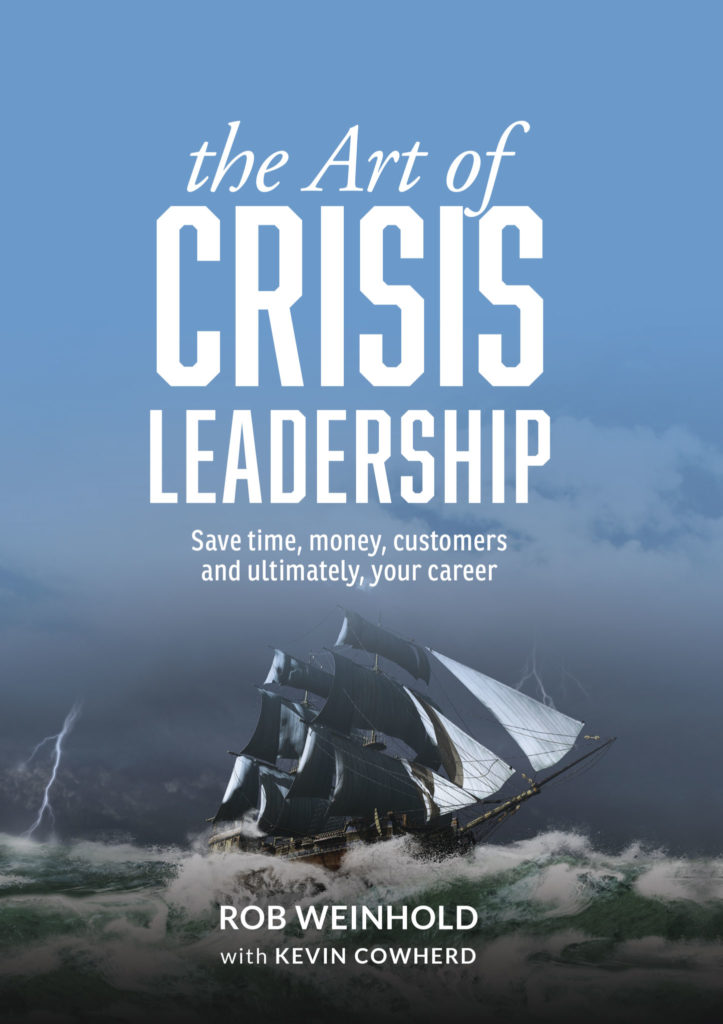
With breaking news of White House Press Secretary Sean Spicer resigning today allegedly due, in part, to the newly announced White House Communications Director not having communications experience, we thought it might be appropriate to share a chapter of “The Art of Crisis Leadership” (Weinhold & Cowherd, 2016). When You’re the Face of Crisis You know them as spokespeople, press secretaries, public affairs reps, flacks and spin-doctors—that last term evoking the same warm and fuzzy feeling with the American public as “ambulance-chaser” and “wife-beater.” When a crisis engulfs their company, corporation or governmental agency, they stand in front of a bank of microphones and, with white-hot TV lights winking on and cameras rolling, they stare out into a sea of skeptical media faces and attempt to deliver a timely and coherent response on behalf of their employer. I’ve learned from so many incredible communicators who are able to perform spectacularly under duress. It is an art, not a science. Like wine, one gets better with age; there is no substitute for real experience. The best spokespeople I know are obsessive about each syllable they utter, each piece of clothing they wear and each message point they deliver. They call reporters back, treat them all fairly and never, ever compromise their integrity – they understand what reporters need and make themselves relevant to those who have editorial control. The best learn how to steer clear of organizational jargon, are detail-oriented and compassionately deliver the news in a conversational way that quickly and emotionally connects with those who consume their words. They are analytical, well-timed and process loads of information, almost instantaneously. And, they are never too high or too low – they have a steady hand under pressure no matter the gravity of the situation or tightness of deadline. And, in the event they run into a “loose-cannon” reporter, they’re able to manage the situation with the grace and humility of a verbal judo artist. And with a Peyton Manning-like approach, the best are incredibly prepared, informed and always find a way to hone their craft. You want them on your team as they understand the big picture – it’s what they do best – see the whole room. It can be a thankless job. Yet, it is an absolutely vital one. As a spokesperson, you are the generally the most frequent ambassador of your company’s brand. You are the reputational gate-keeper for your bosses and colleagues and stakeholders. Bottom line: you better not screw it up, as you can lose your job with one syllable. The pressure can be enormous, particularly with the 24-hour news cycle of today’s world. At no time was this lesson driven home to me more vividly than in the hot summer of 1997. At the tender age of 31, I was the newly-appointed public affairs director for the Baltimore Police Department when the sensational case of Charles M. Smothers II unfolded. I was returning from a vacation in Ocean City on Maryland’s Eastern Shore, when another of the department’s spokespersons called. The spokesperson had urgent news. There had been a police-involved shooting at Lexington Market, the historic indoor market downtown. An officer had shot a man with a knife. The scene was now extremely chaotic. Angry crowds were milling about. “What should I do?” the spokesperson asked in the midst of a brewing public safety crisis. “Describe what limited amount of information you have to the news media—we have to have wiggle room, as facts will evolve with each minute,” I said. “Describe what happened as some type of interaction between the responding officers and the suspect. Say that detectives are going to comprehensively investigate and interview witnesses. We need to find out more before we can talk specifically about what happened.” My modus operandi and firm teaching point is to ask as many people as possible about the facts in an evolving case, knowing there could be varying accounts. Then, when the factual stars begin to align with consistency, you know you have a solid foundation with which to stand publicly. Credibility is key. I was about to hang up when another thought occurred to me. “Whatever you do,” I said, “avoid action-oriented terms like ‘lunge’ or ‘acted aggressively’ to describe what the suspect did.” Again, what experience taught me is that very early on in police-shooting investigations, Public Information Officers, or PIOs, should never box themselves into a set of facts or circumstances that will almost always change. I wasn’t being some kind of schoolmarm-ish stickler for grammar here. I just knew we didn’t have all the facts. Characterizing the encounter without knowing exactly what took place would be irresponsible. Plus, it could potentially blow up in our faces if we used what would later prove to be the wrong words. The department spokesperson called back a short time later. She informed me that she’d done some preliminary interviews with the media. In a sheepish voice, she added: “I kind of got tripped up. And I used the word ‘lunged.’” Hearing this, I winced. “OK,” I said. “But let’s not use it anymore. And we’ll see what else transpires here.” The last thing I wanted to do was erode her confidence, as she had been the point of contact prior to me arriving back in town. I still had one more day of vacation left, so my wife and I attended a friend’s house party that evening. At some point, I learned that the officer involved in the shooting was Charles Smothers and that the man with the knife had been identified as James Quarles, now lying mortally-wounded in a hospital. But the party would hardly be a festive, care-free time for me. At a few minutes before the 11 p.m. newscast, I received an urgent call from an assignment editor at WBAL-TV (the NBC affiliate) who was about to go live. “Rob,” he said, “we have video of the Lexington Market shooting.” I was stunned. For the first time in memory,
Why Help DaddyOFive?

Many people are asking, “Why would Fallston Group support a controversial client like DaddyOFive?” Thank you for your interest and questions, they are very important to us. A little background: when Fallston Group was contacted at the end of last week, we were briefed by an attorney who was working with the Martin family and by the Martin family themselves. In fact, our team went to the Martin’s home to interact with the entire family, including the children, for more than three hours before agreeing to take the family on as a client. Following this meeting, we had a choice to make – (1) walk away due to the fact that the mistreatment allegations from the public and the videos were very troubling or (2) engage with a set of parents who each put their hand up, said they were wrong, showed true remorse (with a lot of tears) and clearly didn’t know where to turn or who to trust to get the help their entire family so desperately needed. Fallston Group was founded on helping people during life’s most difficult times – we thrive on helping people. It’s baked into our DNA. We work with clients who range from very large public companies to small restaurateurs and individuals. We routinely manage complex and controversial issues including data breach, cyber-attack, social media attack, negative press, natural disaster, bankruptcy, crime, litigation, investigation, compliance issues, employee relations complications, job loss, labor unrest, audit sanction, IT issues, board dissension, poorly managed mergers, environmental damage, workplace violence, whistle blowers, IP theft, rumors, death, terrorism, riots, accidents, health issues, strikes, product recall, regulatory shifts, competitive disruption, hostile takeovers, abuse, poor leadership transition, discrimination and many, many more. The one common thread, regardless of the type of issue or the client type or size, is that if the client is willing to accept full responsibility for any lapse in judgment and desires to take whatever steps are needed to make amends and set a positive path for the future, it shapes our thinking. The Martin family fell squarely into this category. That being said, what our team initially recognized was a family who truly seemed to love each other but was in crisis and desperately needed stability and a return to normalcy for the kids. We absolutely do not condone some of the content that has been posted to YouTube. But under the circumstances, we did have an opportunity to positively influence a distraught family with our experience, instinct, resources and mentorship, particularly the children. After much discussion and evaluation, our team decided to help this family through what they describe as the most difficult period in their lives and as they strive to set things right…it’s what our company commits to do with our clients. This is not a PR play, but a very serious crisis management situation which requires a broad, long-term view within our three core verticals. The video apology released this past weekend was at the request of the family who wanted to articulate to the world how they felt, but didn’t feel they had the resources or knowledge to know how to effectively relay that message. The production was not scripted. The Martins described in detail how they felt, and the cuts and fades simply reflect editing to eliminate redundancy and keep the remarks to around three minutes. There is no question the Martins, in light of the public concern, took another look at the content they had shared through the eyes of people who don’t know them personally, and upon reflection, recognized the error of their ways. They now fully understand that they crossed the line and they describe how what started out as family fun quickly escalated into shock value for the purpose of viewership and subscriptions. They were caught up in their own characters and popularity – they were blinded by YouTube fame and again, upon reflection, made some very poor decisions. Our hope, moving forward, is that the public will take pause and realize the devastating effect the internet backlash is having on the kids. While we (and truly, the Martins, as well) appreciate the concern for the children’s safety, we can offer assurance that Maryland agencies, attorneys involved and our own company have all executed due diligence to ensure the children are safe, both physically and emotionally, and on the way to a much more positive future. This is everyone’s first priority. The Martins are currently in licensed family counseling and working with professional services providers who, in essence, serve as life coaches. We fall into that category as well. As a firm that has worked with very high profile leaders to struggling private individuals, there is perhaps nothing more important than to provide perspective and a sense of hope for the future. The path forward is critical as many of our clients simply want to return to some semblance of normalcy. This is what the Martin family wants (all of them) and we are committed to helping them during their plight. Make no mistake, the Martin’s desire does not replace parental accountability. But, it is a firm step in the right direction for five wonderful children. Our sincere hope is, as part of the professional team guiding the Martins, we can support them as they continue to work towards a life which involves very sound decision-making and a strong sense of peace and happiness.
Crisis Leadership Expert Rob Weinhold and New York Times Best-Selling Author Kevin Cowherd Talk Crisis Leadership at Local Book Tour Stops This Week

Fallston Group Founder and Chief Executive Rob Weinhold and New York Times best-selling author Kevin Cowherd will make book tour stops at Catholic University and Towson Barnes & Noble locations this week. Weinhold and Cowherd will host an interactive discussion about their highly praised book, “The Art of Crisis Leadership,” and sign copies for attendees. This week’s event locations and times are listed below: Washington D.C Book Tour Stop Barnes & Noble at The Catholic University of America Bookstore 625 Monroe Street NE Washington, DC 20017 Thursday, October 6 6:00 – 8:00 p.m. Towson Book Tour Stop Towson Barnes & Noble 1 East Joppa Road, Suite 100 Towson, MD 21286 Saturday, October 8 1:00 – 3:00 p.m. Weinhold and Cowherd’s book hit the shelves in May and since then, has been featured in Forbes, The Huffington Post, American City Business Journals and other prominent news outlets. Additionally, “The Art of Crisis Leadership” quickly rose to the #1 book in the PR and Crisis Management categories, while also cracking the top 100 in Leadership on Amazon immediately after its release. In today’s digital age, anyone with an internet connection and recording device can wreak havoc on your brand. It’s not if crisis will occur, but when. The real question – are you prepared to meet the leadership moment? “The feedback we’ve received since the book release has been amazing – many have said it has helped them persevere both personally and professionally. To know that we’ve already helped people is incredibly rewarding. We look forward to continuing to share the book’s value – real people, real emotion, real results. According to readers, the takeaways at the end of each chapter have been the edge they’ve needed to both inspire and help them manage their own lives,” said Weinhold. A former Baltimore police and U.S. Department of Justice executive who has been featured on CNN, FOX News, MSNBC and many other national, regional and local media outlets, Weinhold expertly discusses, among other topics, data breaches, negative press, social media attacks, natural disasters, financial distress, sex scandals and political vendettas – and how to turn short-term adversity into long-term advantage. Weinhold has conducted thousands of media interviews during his storied career and is routinely called upon by local, regional and national news outlets to lend expert crisis leadership and public safety perspective. He has recently presented at multiple Department of Justice conferences and will be presenting at the Public Relations Society of America’s 2016 International Conference in Indianapolis, Indiana later this month. Press review copies are available by request. Please contact Shannon Cooper at 410-420-2001 or shannon.cooper41@gmail.com to request a copy of the book or interview. Learn more about “The Art of Crisis Leadership” and order online at Amazon (Hardcover, ISBN 978-1627201124, $25.99) or https://www.apprenticehouse.com. Join the crisis leadership conversation online using #TheArtofCrisis, #Leadership, and #movement. About the Author After working 23 years in the private and public sectors, Rob Weinhold decided to continue his career mission of helping organizations during life’s most critical times by launching Fallston Group—a Baltimore-based crisis management and communications firm. Fallston Group works with large public companies to individuals to build, strengthen and defend their reputations, each and every day (http://www.FallstonGroup.com). Throughout his distinguished career, Weinhold worked on the core executive leadership team at all three levels of government, including the Baltimore Police Department, U.S. Justice Department and Maryland’s Governor’s Office. Privately, Weinhold worked with Ripken Baseball where he oversaw all aspects of Cal Ripken Jr.’s core amateur sports business. Weinhold maintains extensive experience in the areas of executive leadership, strategy and communications. He has been routinely recognized for his unique ability to lead by creating vision and building consensus across diverse stakeholder bases to drive real results, particularly during critical times. Weinhold has provided professional guidance to corporate executives, high-profile professional athletes, U.S. Attorney General, White House domestic policy staff, U.S. Congresspersons, state governors and other high-ranking public service officials. Weinhold earned a graduate degree from The Johns Hopkins University and undergraduate degree from the University of Baltimore, both marketing disciplined. About the Co-Author Kevin Cowherd is the author, along with Hall of Famer Cal Ripken Jr., of the New York Times best-seller “Hothead” and five other baseball novels for young readers. Their sixth book, “The Closer,” was published by Disney-Hyperion in March. Cowherd’s last two non-fiction books for Apprentice House Press were “The Opening Act: Comedy, Life and the Desperate Pursuit of Happiness,” a look at the career of Baltimore comic Larry Noto, and “Hale Storm: The Incredible Saga of Baltimore’s Ed Hale, including a Secret Life with the CIA.” Cowherd was an award-winning sports and features columnist for The Baltimore Sun for 32 years and has also written for Men’s Health, Parenting and Baseball Digest magazines. A collection of his newspaper columns, “Last Call at the 7-Eleven” can still be found in fine remainder bins everywhere. About Fallston Group, LLC Fallston Group, LLC is a highly trusted, executive advisory firm focused on building, strengthening and defending reputations. The firm operates where leadership, strategy and communications intersect. Reputations are both positively and negatively impacted by many variables; and, whether working with clients in a proactive or reactive sense, Fallston Group engages with velocity and vision while turning short-adversity into long-term advantage. Fallston Group team members provide a blend of both executive and operational services to help leaders prepare for, navigate through, and recover from issues of adversity and crisis. Many leaders refer to Fallston Group as their “Chief Reputation Officer.” To learn more, visit fallstongroup.com.
Meltdown in Rio: Ryan Lochte
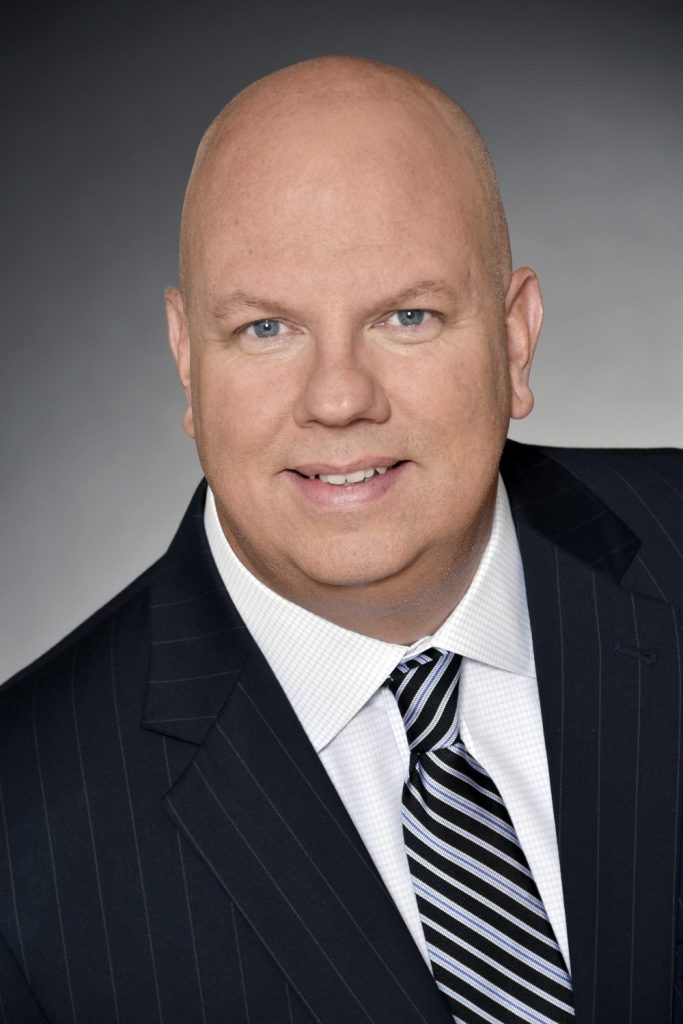
Although Ryan Lochte is at the tail end of his swimming career, the 32-year-old still has some very serious repercussions stemming from his crisis in Rio.
