

Honored and Rooted: Fallston Group Recognized Among Greater Baltimore’s Top Family-Owned Businesses

Fallston Group is grateful to announce that the Baltimore Business Journal has recognized us as one of Greater Baltimore’s top family-owned businesses for 2025! This honor, part of the BBJ’s annual Family-Owned Business Awards, celebrates companies that have demonstrated excellence, innovation, ethics, and philanthropy—qualities we strive to embody every day. We are especially grateful to stand alongside other businesses that, like us, have put down deep roots in Maryland and built trust across generations. Fallston Group was founded with a simple but powerful mission: help people during life’s most critical times – it’s baked into our DNA. As a family-owned business, we approach our work with a personal sense of responsibility—not just to our clients, but to the community we call home. Our team’s commitment to reputation management and crisis leadership isn’t just about business but legacy, accountability, and impact. Our work is more relevant than ever in today’s rapidly changing world. Trust is fragile, and brand equity can be won or lost in a single moment. We’re here to safeguard our clients’ reputations and turn short-term adversity into long-term advantage with clarity, conviction, and care. Thank you to the Baltimore Business Journal for this meaningful recognition, and congratulations to our fellow honorees. We look forward to continuing to serve our clients, partners, and the Greater Baltimore community for years to come.
Protecting Trust During Turbulence: Crisis Leadership Lessons from the 23andMe Situation
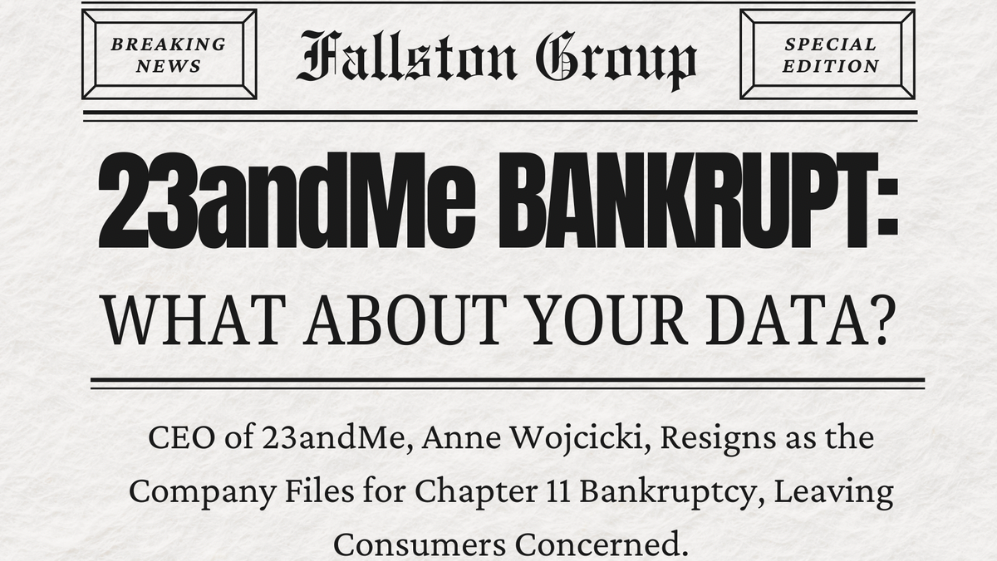
In today’s data-driven environment, few assets are more valuable—or more vulnerable—than trust. For companies entrusted with sensitive personal information, the stakes are high, especially when operational or financial uncertainty arises. The recent developments involving 23andMe serve as a critical case study in how companies must navigate crisis moments with transparency, ethical leadership, and a steadfast commitment to their stakeholders. 23andMe, known for its consumer DNA testing services, is facing a challenging chapter marked by a Chapter 11 bankruptcy filing and the unexpected resignation of its CEO. These events have understandably sparked public concern, particularly surrounding the future of the genetic data the company has collected over the years. While the company has stated that any prospective buyer must honor its existing privacy policy and comply with relevant laws, this assurance has done little to ease the minds of many customers who are unsure of what the future holds for their personal information. Although Fallston Group makes no assumptions about the internal decisions or motives of 23andMe’s leadership, the situation highlights important crisis leadership principles that all organizations—especially those managing sensitive consumer data—should consider. When customer trust is at risk, how an organization responds can either reinforce its credibility or accelerate reputational decline. The following best practices offer strategic guidance for companies in similarly high-stakes situations. Crisis Leadership Best Practices for Data-Centric Companies 1. Communicate early, clearly, and consistently When news breaks—whether through official channels or speculation—organizations must respond quickly and clearly. Proactive communication from leadership not only helps control the narrative but also reinforces that the company is engaged, responsive, and accountable. Silence or ambiguity, particularly in moments of uncertainty, can be deeply damaging to public trust. 2. Empower customer control If consumers are anxious about the future of their data, it’s critical to offer accessible and immediate options to manage, delete, or opt out. Even during complex proceedings such as bankruptcy or M&A, providing clarity around data usage and ownership demonstrates respect for customer autonomy and helps preserve long-term credibility. 3. Reaffirm original commitments—or transparently explain changes Trust is built on consistency. If a company has made commitments about data privacy in the past, reaffirming those promises publicly can provide reassurance. If changes are necessary due to evolving business circumstances, transparency is key. Clear rationale and respectful communication are essential to mitigating backlash. 4. Establish third-party oversight Independent ethics panels or data governance boards can provide unbiased oversight and bolster stakeholder confidence. Particularly during transitions of ownership or leadership, involving a credible third party adds an extra layer of accountability. 5. Prioritize people over process In crisis moments, process alone is not enough. Companies must lead with empathy and a people-first mindset, recognizing that behind every data point is a person who placed their trust in the organization. 23andMe is not the first company to face this type of reputational pressure, and it will not be the last. In fact, as more businesses collect and store personal data—whether in healthcare, finance, retail, or technology—these moments of reckoning will only increase in frequency and intensity. The lesson for all organizations is clear: ethical leadership, open communication, and values-driven decision-making are not optional—they are foundational. Companies that embrace these principles not only weather the storm, but often emerge stronger and more respected in the eyes of their stakeholders. At Fallston Group, we help leaders navigate critical moments of adversity by focusing on what matters most—reputation, trust, and the long game. Because in the end, those who lead with clarity and conviction are the ones who earn the right to lead again tomorrow. If your organization manages sensitive information and is facing—or preparing for—a high-stakes moment, now is the time to evaluate your crisis readiness. Fallston Group partners with leaders to protect reputation, preserve trust, and guide smart, strategic decisions when it matters most. Let’s talk about how we can support you.
Why Fallston Group’s Conflict Management Training is a Must for Restaurant Teams

Running a restaurant isn’t just about great food and stellar service—it’s also about maintaining a safe, welcoming environment for both customers and staff. Yet, the high-energy, fast-paced nature of the restaurant industry means conflict is almost inevitable. Whether it’s a disgruntled diner, a dispute among team members, or even something as seemingly minor as glassware theft, the way these situations are handled can make or break a restaurant’s reputation. That’s where Fallston Group’s Conflict Management Training comes in. Designed specifically for restaurant groups, new establishments, and employees at all levels, our program prepares your team to navigate challenging interactions with confidence, professionalism, and care. Real Issues Require Real Solutions: Conflict in the restaurant industry comes in many forms. Maybe it’s an upset customer loudly complaining about their meal. Perhaps a guest gets too aggressive with a server, or an employee notices recurring theft issues with inventory like glassware or utensils. The stakes are high. Mishandling these scenarios can lead to bad reviews, employee turnover, legal liability, and revenue loss. Restaurants thrive on reputation, and every interaction—good or bad—leaves an impression. Our training equips your team to make that impression a positive one, even in high-pressure moments. What Sets Our Training Apart: At Fallston Group, we believe in preparing your team for the realities of restaurant conflict. Our program goes beyond the theoretical to include: Real-Life Scenarios: Employees are put into situations that mirror everyday challenges, such as managing an irate guest or addressing an escalating dispute at a busy table. Skill Testing: Participants are tested on how effectively they can defuse tension, de-escalate situations, and communicate with empathy. Practical Tools: We teach actionable strategies to handle tough interactions, protect team morale, and safeguard company resources. Cost and Time Savings: Conflict resolution done right minimizes downtime, reduces the risk of negative fallout, and helps retain valuable employees and loyal customers. Why Conflict Management Matters: Restaurants that proactively train their teams in conflict management see measurable benefits: Improved Guest Retention: A difficult moment handled with care can turn a disgruntled diner into a loyal patron. Higher Employee Satisfaction: Staff who feel supported and empowered are more likely to stay and thrive in their roles. Enhanced Reputation: A calm, professional response to conflict leaves a lasting positive impression, both in person and online. Invest in Peace of Mind: Conflict doesn’t have to be a liability for your restaurant—it can be an opportunity to demonstrate your team’s professionalism and commitment to hospitality. By investing in Fallston Group’s Conflict Management Training, you’re not just preparing your employees for the challenges of today; you’re ensuring your business is positioned for long-term success. Let us help your team master the art of conflict resolution. Because in the restaurant world, every interaction counts. Ready to elevate your team’s skills? Contact Fallston Group today to learn more about our tailored training programs and how we can help your restaurant thrive in the face of adversity.
Fallston Group’s Proactive Crisis Leadership Approach for University Presidents
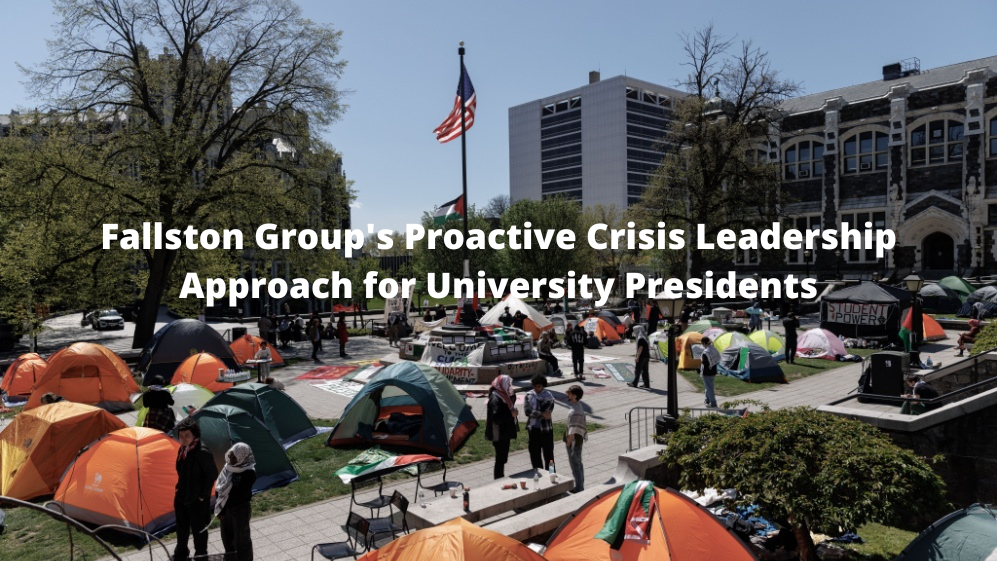
As a university president planning for upcoming protests on campus, it’s important to adopt a proactive and strategic approach. Here’s a comprehensive plan that addresses potential challenges while maintaining a commitment to the principles of free expression and campus safety: Develop a Comprehensive Protest Management Plan: Risk Assessment: Conduct a thorough assessment of potential risks and vulnerabilities related to campus protests. Consider factors such as historical issues, current events, and any specific concerns raised by students or faculty. Protocols and Procedures: Establish clear protocols and procedures for managing protests. This should include guidelines for communication, coordination with law enforcement, and handling disruptions. Engage with Stakeholders: Student and Faculty Engagement: Engage with student leaders, faculty, and staff to understand their concerns and expectations. Foster open communication channels to address grievances before they escalate into protests. Community Partnerships: Collaborate with local community organizations, law enforcement, and other stakeholders to develop a coordinated response plan. Communicate Transparently: Pre-Protest Information: Provide advance notice to the university community about the potential for protests and outline the university’s approach to managing them. Ensure that all stakeholders are informed of policies and procedures. Ongoing Updates: During protests, offer regular updates through multiple communication channels, including email, social media, and campus websites, to keep the community informed and manage expectations. Establish Designated Areas and Guidelines: Designated Protest Zones: Designate specific areas on campus where protests can take place without disrupting academic activities or campus operations. Clearly mark these zones and provide necessary resources for their use. Guidelines for Conduct: Develop and communicate guidelines for peaceful and respectful protest conduct. Ensure that these guidelines emphasize safety and respect for all members of the campus community. Prepare for Safety and Security: Coordination with Security: Work with campus security and local law enforcement to ensure they are prepared to manage potential disruptions. Coordinate on the development of security plans and emergency response protocols. Training and Drills: Provide training for security personnel, including crisis intervention and de-escalation techniques. Conduct drills to prepare for various protest scenarios and ensure readiness. Support and Resources: Counseling and Support Services: Ensure that counseling and support services are available to students, faculty, and staff who may be affected by protests. Offer resources to help manage stress and address any emotional or psychological impacts. Conflict Resolution: Facilitate access to conflict resolution and mediation services to address grievances and disputes that may arise during or after protests. Monitor and Evaluate: Real-Time Monitoring: Monitor protest activities in real-time to assess the situation and adjust plans as necessary. Use surveillance and communication tools to keep track of developments and ensure a timely response. Post-Protest Review: After a protest, conduct a thorough review to evaluate the effectiveness of the response and identify areas for improvement. Gather feedback from stakeholders and incorporate lessons learned into future planning. By taking these steps, a university president can effectively plan for and manage upcoming protests, balancing the need to respect free expression with the responsibility to maintain campus safety and order.
Who Are Your Stakeholders?

At Fallston Group, we understand that the term “stakeholder” frequently arises in business discussions, yet its significance often extends beyond mere terminology. Stakeholders encompass a diverse group of individuals and entities, including colleagues, employees, business associates, government officials, and community leaders who have a vested interest in your success. These individuals are invested in your personal and professional achievements. For instance, a community pastor with employees in their congregation or local politicians aiming for job creation through your business expansion can be considered stakeholders. Essentially, stakeholders are those who, directly or indirectly, influence or are influenced by your organization’s actions. In Prosperous Times: Stakeholders play a crucial role in amplifying your organization’s messaging during periods of growth, recognition, or project completion. Their support and positive influence are instrumental in enhancing your reputation, image, and trust within the community and industry. Research by the World Economic Forum indicates that companies with strong stakeholder relationships tend to achieve 16% higher profit margins compared to those with weaker connections. During Challenging Times: Engaging with stakeholders during difficult periods is not merely a strategic move but a vital source of reassurance and support. Given their vested interest in your organization’s well-being, stakeholders can help you understand the broader impact of a crisis. They can leverage their voices to share key messages and demonstrate solidarity. Additionally, stakeholders often provide unique perspectives that are invaluable in navigating challenging situations. A study by the Harvard Business Review found that 85% of companies that effectively engaged stakeholders during a crisis reported a faster recovery and less reputational damage. The Importance of Effective Communication: Effective communication is more than just a tool; it is essential for building strong, trust-based relationships with stakeholders. By involving the right allies, stakeholders can significantly contribute to protecting your organization’s reputation and ensuring its resilience. Their support can enable your organization to emerge stronger from any challenges it faces. Research from the Edelman Trust Barometer highlights that organizations perceived as engaging transparently and effectively with stakeholders are 2.5 times more likely to be trusted by the public. At Fallston Group, we believe that understanding and leveraging the power of stakeholders is crucial for any organization aiming to achieve sustained success and resilience. By fostering strong relationships based on mutual trust and effective communication, stakeholders can become invaluable allies in both prosperous and challenging times.
Fallston Group’s Crisis Management Tactics: Lessons from “The Morning Show”

Apple TV’s “The Morning Show” serves as a riveting case study in crisis management. This show provides a real-life look at what organizations turn to Fallston Group for, where protecting and enhancing reputations is at the forefront of every leader’s day. Let’s explore the critical lessons we can draw from this series and how they align with our expertise at Fallston Group. 1. The Imperative of Transparency The firing of the show’s anchor due to serious allegations sets off a chain reaction, which was poorly managed by the network, whose attempt was to obscure details. This lack of transparency only escalates the crisis. Fallston Group’s Approach: Our team emphasizes that transparency is not just about honesty but building trust. We counsel our clients to be forthright and clear in their communications, addressing issues head-on to prevent misinformation and speculation. Our tailored strategies ensure that clients maintain credibility even under intense scrutiny, and most of our most important principles is: “Never do anything to disrupt your integrity.” 2. Swift and Decisive Action The show’s depiction of delayed responses highlights the consequences of hesitation. In crisis management, time is of the essence. Fallston Group’s Approach: We strongly advocate for immediate and decisive action, with a key point of completing proactive training and having readily available documents so an organization knows how to respond without delay. Our crisis response teams are trained to quickly assess situations and implement effective strategies. Whether it’s a public statement, internal action, media relations, board alignment, etc., velocity and precision are our hallmarks, focusing on what we can control to ultimately tell the story. 3. Effective Internal Communication Chaos reigns when internal communication fails. The confusion and fear among staff are palpable and counterproductive. Fallston Group’s Approach: Our experienced team understands that effective crisis management starts from within. We develop comprehensive internal communication plans to keep employees informed, engaged, and aligned. This mitigates internal panic and strengthens the organizational front against external pressures. 4. Empathy and Support for Staff The emotional impact on the show’s characters underlines the importance of addressing the human element in crisis situations. Fallston Group’s Approach: We always look through the lens that emphasizes compassionate crisis management. Recognizing the emotional toll on employees, we provide resources and support systems to help them navigate challenging times. Our holistic approach ensures staff feel valued and supported, maintaining morale and productivity. Clients have often told us that they appreciate the fact that we immerse ourselves into the lives of the client and become an extension of their Leadership Team. This is crucial for us, as you don’t spin your way through crisis, you lead your way through the storm. 5. Controlling the Narrative “The Morning Show” demonstrates the power struggles inherent in narrative control. A fragmented message can exacerbate a crisis. Fallston Group’s Approach: “If you don’t tell your story, someone else will. And when someone else tells your story, it certainly won’t be the story you want told.” – Rob Weinhold, Fallston Group CEO. We take a proactive stance in controlling the narrative. Fallston Group’s team crafts cohesive and consistent messages that resonate with all stakeholder groups. By maintaining a unified voice, we help our clients steer the conversation, reducing the risk of misinterpretation and rumor proliferation. 6. Long-Term Trust Rebuilding The series shows that regaining trust is a marathon, not a sprint. The characters’ journey to rebuild trust mirrors real-world challenges. Fallston Group’s Approach: Rebuilding trust requires a strategic, long-term commitment. This is why we always tell our clients, you must be continuously making deposits in your reputational piggy bank, as we know that there may be a time we have to make a small withdraw. At Fallston Group LLC, we develop tailored strategies that focus on sustained efforts to regain and strengthen trust. Through continuous engagement and transparent communication, we help our clients restore their reputations over time, for the greater good of the organization and whom it serves. Conclusion Apple TV’s “The Morning Show” offers a dramatic yet realistic depiction of the intricacies involved in managing a crisis. The lessons from the show reinforce the importance of transparency, swift action, effective communication, empathy, narrative control, and long-term trust rebuilding—principles that are deeply ingrained in the ethos of Fallston Group. We are dedicated to guiding our clients through the turbulence of crises with expertise and care. For specialized crisis management strategies tailored to your needs, contact us today.
Fallston Group’s Core Principle – “Reputation leads to Trust and Trust leads to Valuation.”
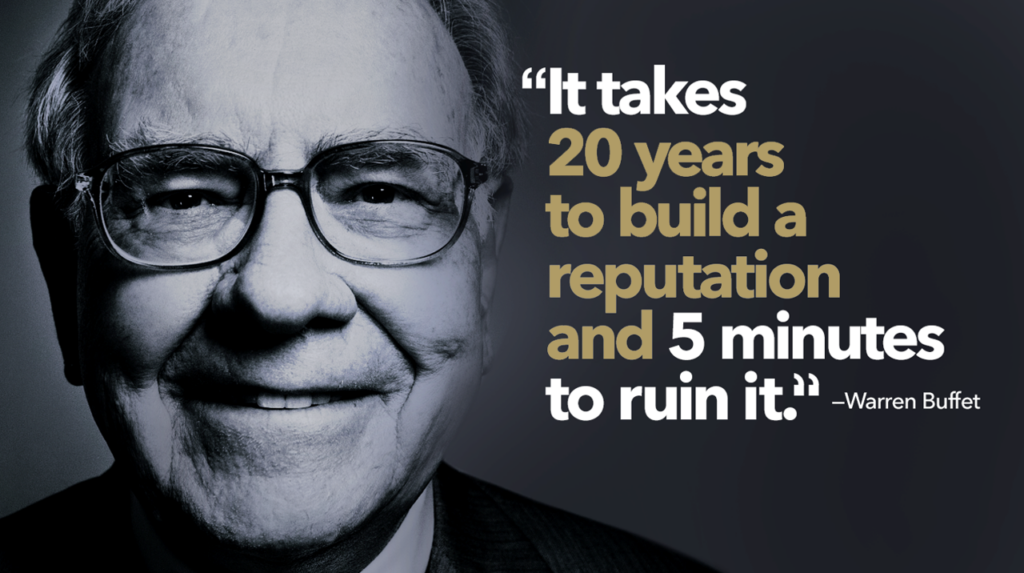
Few names resonate with as much reputational equity as Warren Buffett. Often recognized for his famous quote “It takes 20 years to build a reputation, and 5 minutes to ruin it.” At the heart of Warren Buffett’s enduring success lies a profound dedication to his craft, one that extends far beyond mere financial prowess. As we say at Fallston Group – “Not all currency is financial.” It’s a dedication rooted in the cultivation and preservation of your reputation, one built on trust, transparency, and ethical principles. Central to Buffett’s reputation is transparency. Berkshire Hathaway’s annual shareholder letters, eagerly awaited by investors worldwide, are a masterclass in candid communication. Buffett doesn’t shy away from discussing failures or mistakes, viewing them as opportunities for learning and improvement. This transparency fosters trust and reinforces his reputation as a reliable steward of capital. Buffett’s philanthropy is as legendary as his investment prowess. His pledge to donate the majority of his wealth to charitable causes is a testament to his commitment to society. By leveraging his wealth for the greater good, Buffett further burnishes his reputation as a responsible global citizen, leaving a legacy that transcends financial success. Warren Buffett’s name will forever be etched in gold. Yet, beyond his staggering wealth and market acumen lies a deeper lesson – the importance of reputation. Buffett’s success isn’t just measured in dollars but in the trust and respect he commands. In an age where reputation can be fleeting, Buffett’s enduring legacy serves as a beacon of integrity and a timeless reminder of the enduring value of a sterling reputation.
Risk Intelligence (RI): A Crucial Element in Crisis Leadership & Communications
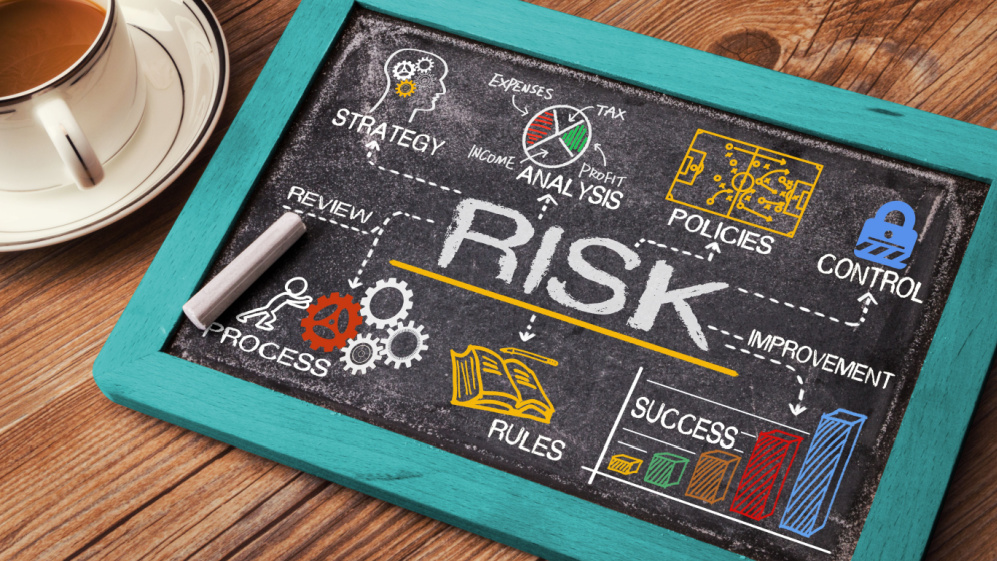
As we say at Fallston Group – “Anybody with an internet connection or recording device can wreak havoc on your brand.” In this fast-paced intersection of technology and business, professionals across various domains face the challenge of managing risks and proactively shaping the trajectory of organizations. At Fallston Group LLC (Expert Reputation Management | Fallston Group), a global reputation agency, we understand that Risk Intelligence (RI) is more than a buzzword; it’s a strategic mindset that underpins effective Crisis and Reputation Management – specifically, leadership, strategy, and communications. Please make no mistake: crises cost time, money, customers, careers, and in the worst-case scenarios, freedom and lives. We routinely ask our clients, ‘Are you ready to meet the moment?’ Often, the authentic answer is ‘no.’ Enter risk intelligence.
Hostage Negotiations – A Blueprint for Everyday Life
Just a few short weeks ago, Fallston Group was honored to have delivered the opening keynote at the National Tactical Officer’s Association’s (NTOA) Crisis Negotiations Conference in Scottsdale, Arizona. There were more than six hundred crisis negotiators sharpening their craft to diffuse and deescalate life’s most difficult situations and save lives. Yes, these are ordinary men and women thrust into extraordinary circumstances at a moment’s notice. It’s an awesome responsibility where these chosen law enforcement strategists must play games of chess, not checkers. In our daily lives, the traits that define successful hostage negotiators can serve as valuable guiding principles, helping us navigate challenges, communicate effectively, and build stronger connections with those around us. Don’t we need more human connection in today’s world? Let’s look at some of the key attributes needed to competently manage this high-stakes game and normal everyday life. Communication: Mastering the art of effective communication is a universal skill that transcends crisis scenarios. Whether in personal relationships, the workplace, or community interactions, the ability to express oneself clearly and assertively fosters understanding and mutual respect. By articulating thoughts with precision, we can enhance our capacity to influence positive outcomes. Let’s not forget the most important part of the communication process is the ability to be an effective listener. Empathy and Emotional Intelligence: In the fabric of everyday life, empathy and emotional intelligence form the foundation of meaningful connections. Understanding the emotions of others allows us to build stronger relationships and navigate conflicts with compassion. In family dynamics, friendships, and professional settings, the ability to empathize fosters a sense of unity and cooperation. Empathy is also the single attribute that sets the best leaders in the world apart from others. Adaptability and Flexibility: Life is inherently dynamic, and the ability to adapt and be flexible is paramount. Whether facing unexpected challenges at work, adjusting to changes in personal circumstances, or navigating shifting priorities, embracing adaptability ensures resilience and the capacity to thrive in the face of uncertainty. I had an old sergeant once tell me, ‘The only thing in life that’s constant is change. As soon as you realize this, you’ll be better off.’ I think he noticed my inflexibility at such a young age! Patience and Resilience: Every journey comes with its share of setbacks and obstacles. Patience and resilience equip us to endure hardships, learn from experiences, and persevere in the pursuit of our goals. These traits are invaluable in maintaining composure during challenging times and bouncing back with newfound strength. Yes, it is hard to wait and be patient in today’s ‘hurry-up’ world, but time is often the most important asset you have on your side. Strategic Thinking and Decision-Making: Strategic thinking isn’t limited to boardrooms and crisis situations; it’s a skill that enhances decision-making in all aspects of life. Whether planning personal goals, managing time effectively, or addressing complex issues, strategic thinking guides us in making informed choices that align with our long-term objectives. Research shows that people would rather follow someone who makes a wrong decision than no decision. It’s imperative to create your own future by making decisions, realizing that not all of them will be right. That’s okay; it’s how we learn and become better tomorrow than we were today. The traits of successful hostage negotiators are not confined to high-stakes scenarios. They are principles that, when integrated into our daily lives, empower us to communicate effectively, build meaningful connections, navigate challenges with grace, and make strategic decisions that contribute to our overall well-being and success. By embracing these traits, we cultivate a mindset that not only enriches our individual experiences but also positively impacts the world around us.
Bud Light Backlash – Perspective from Fallston Group’s Chief Executive, on The National Desk

“Crises cost time, money, consumer confidence, and careers and generally in that order,” said Rob Weinhold, a crisis leadership expert and chief executive for the Fallston Group. “And I think as the groundswell continues to grow and valuation decreases, I think it would behoove Anheuser Busch to get out in the court of public opinion and further explain what their longer-term strategy is. And the bottom line is they have to strike the balance between appealing to their existing customer base and then where they want to go generationally as a business,” Weinhold continued. He said in this day and age, brand executives have to have a predictive mindset to understand the consequences of their actions. Please read the full article here
