

The Calculated Gamble of Record-Setting Deals in Professional Sports
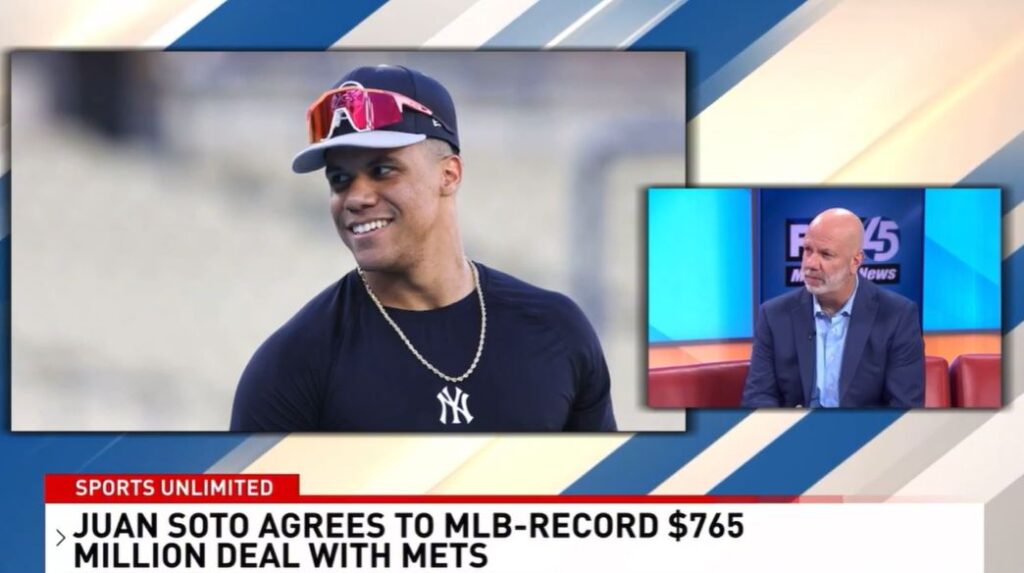
The Calculated Gamble of Record-Setting Deals in Professional Sports When Juan Soto inked a historic 15-year, $765 million contract with the New York Mets, it wasn’t just a headline—it was a masterclass in strategic investment. As a crisis leadership expert, I understand the high-stakes decisions organizations must make when allocating substantial resources, whether in sports, business, or government. In professional sports, contracts like Soto’s go beyond mere performance metrics; they are calculated gambles aimed at driving both tangible and intangible value for the franchise. Balancing Performance and Business Strategy Sure, the Mets are eyeing a World Series trophy. But this record-setting deal is about more than winning games. It’s a business decision designed to generate multiple revenue streams that extend beyond the playing field. For example: Ticket Sales: The Mets saw a 15% increase in season ticket purchases within weeks of the deal’s announcement. Merchandise: Following Lionel Messi’s move to Paris Saint-Germain, the club reportedly sold over 1 million jerseys in the first year alone. Similar surges are expected for Soto-branded Mets merchandise. Sponsorships: Teams like the Los Angeles Lakers saw a 30% growth in sponsorship revenue after signing LeBron James. The return on investment (ROI) from a star player like Soto can ripple across the organization. The question isn’t just whether Soto will perform but how the organization will leverage his presence to elevate its brand and operational performance. The Risks of High-Stakes Contracts However, such contracts come with inherent risks. Professional athletes are not immune to injuries, performance declines, or off-field controversies. The Mets—like any organization making a major investment—must account for these uncertainties. The story of Chris Davis with the Baltimore Orioles is a cautionary tale: a lucrative deal that eventually became a burden due to declining performance. Similarly, JaMarcus Russell’s tenure in the NFL showed how high expectations can crumble under the weight of poor execution and leadership gaps. But it’s not all caution and concern. Examples like LeBron James and Tom Brady demonstrate how strategic investments in high-caliber athletes can redefine a franchise. James’ moves across the NBA and Brady’s Super Bowl win with the Tampa Bay Buccaneers showcase how the right player, coupled with the right organizational culture, can deliver extraordinary returns. Leadership and Culture Are Key Beyond the numbers, the impact of a record-setting player on team dynamics cannot be overstated. A star athlete’s presence can motivate teammates, attract top talent, and energize fans. For instance: Team Morale: Tom Brady’s leadership was credited with elevating the entire Tampa Bay roster to a Super Bowl victory. Fan Engagement: Juan Soto’s signing has already increased the Mets’ social media engagement by 25%, according to early reports. However, disproportionate salaries can also create resentment or destabilize team culture if not managed effectively. This is where leadership plays a critical role. The most successful organizations foster an environment of collaboration and shared purpose, ensuring that high-profile contracts serve as an inspiration, not a source of division. Proactive Risk Management for Long-Term Success Smart franchises understand that these contracts are as much about planning for the worst as they are about celebrating potential success. Structured contracts with performance incentives, insurance policies, and contingency plans can mitigate risks. Transparent communication with fans and stakeholders further ensures that everyone understands the rationale behind such deals, maintaining trust even during challenging times. For example: Performance-Based Incentives: Zion Williamson’s NBA contract includes clauses tied to his physical fitness and game availability. Insurance Policies: MLB teams often purchase insurance to recoup some costs if a player is sidelined due to injury. A Blueprint for Success At Fallston Group, we often say that leadership is about turning potential crises into opportunities. Juan Soto’s record-breaking contract is a calculated gamble, but it’s one that’s rooted in sound business principles. The Mets are not just betting on Soto’s performance; they’re betting on their ability to maximize the value of his presence—on and off the field. For organizations making similarly high-stakes decisions, the key is preparation, transparency, and a relentless focus on the big picture. Whether you’re managing a sports team, a business, or a nonprofit, the principles of risk management and strategic leadership remain the same. By aligning investments with organizational goals and preparing for every outcome, you’ll not only weather the storm but thrive in its aftermath. Fallston Group, helps organizations navigate high-stakes decisions with confidence and clarity. If your team is facing a critical moment, let’s talk about how we can help you turn risks into rewards.
Navigating the Stars: A Commitment to Safety and Mission
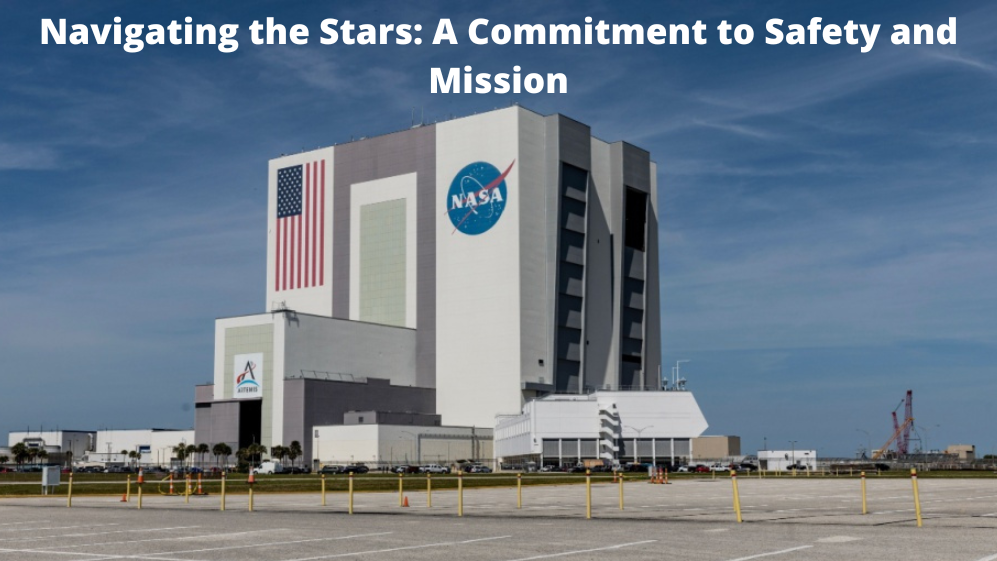
Fallston Group is a global reputational agency that often deals with the intricate balance between managing risk and maintaining trust. Recently, NASA has faced one of the most challenging decisions in its storied history: the decision to return two astronauts, Suni Williams and Butch Wilmore, from the International Space Station (ISS) using a SpaceX capsule instead of the Starliner spacecraft. This decision has sparked much discussion, and I’d like to share some thoughts on why this was not only the right call but also a testament to NASA’s evolved culture of safety, communication, and mission-driven focus. Safety: The Bedrock of Every Decision At NASA, safety isn’t just a priority—it’s the foundation upon which every decision is made. The space agency has a long history of pushing the boundaries of human exploration, but it does so with a clear and unwavering commitment to the safety of its astronauts. In the case of Suni and Butch, ensuring their safe return to Earth is non-negotiable. The decision to use a SpaceX capsule underscores this commitment, highlighting that no risk is worth taking if it could jeopardize lives. The Inherent Risks of Space Exploration Space exploration is, by its very nature, fraught with risks. Every astronaut who embarks on a mission understands and accepts these dangers. They do so because they believe deeply in NASA’s mission: to advance knowledge and make life on Earth better. Suni and Butch, like all astronauts, are driven by a sense of purpose that transcends the personal risks they face. Even in challenging circumstances, their continued presence on the ISS means more scientific work can be accomplished—work that benefits all of humanity. Learning from the Past: The Challenger and Columbia Lessons NASA’s history has not been without tragedy. The Challenger and Columbia disasters serve as stark reminders of the dangers of space exploration. What’s particularly important to remember about these incidents is that, in both cases, post-flight analysis revealed that the hardware was signaling issues long before the disasters occurred. The hardware was, in essence, “talking to us,” but the process of reviewing and acting on this data was flawed. These events taught us a crucial lesson: fostering a culture that encourages open communication and values dissenting opinions. At NASA, this lesson has been taken to heart. Today, every piece of data is scrutinized, and every voice is heard. As a leader, I’ve always believed in the importance of inviting and valuing dissenting opinions. It’s a practice that can make the difference between success and catastrophe. A Culture of Communication and Thoroughness In the current Starliner situation, NASA has demonstrated how far it has come. The agency has meticulously analyzed all available data and sought out every opinion, ensuring no stone is left unturned. This approach reflects a culture of thorough communication and an environment where every team member’s voice is valued. This culture allows NASA to make decisions based on a comprehensive understanding of the situation rather than assumptions or incomplete information. The Technical Realities and Redundancy The technical aspects of this situation are complex. The Starliner spacecraft has multiple thrusters, and while only one remains non-operational, the initial failure of five thrusters raised significant concerns. Although four thrusters were recovered in time for docking, the remaining engines’ reliability is still under scrutiny. Ground testing has provided some answers, but not enough to ensure absolute confidence in the spacecraft’s performance. In situations like this, it’s crucial to err on the side of caution. The spacecraft’s thrusters won’t return to Earth for post-flight inspection, meaning NASA can’t confirm their condition after the fact. Given this uncertainty, the decision to return the astronauts via SpaceX—a decision supported by thorough testing and analysis—was the right one. The Right Decision for the Right Reasons Starliner will return to Earth in a few days. Even if this uncrewed mission is successful, it does not negate the wisdom of the decision to prioritize astronaut safety by opting for an alternative return method. This situation is a powerful example of how NASA has evolved into an organization that embodies thoroughness, clear communication, and a culture of safety and voice for all. As someone who has spent his career helping organizations manage crises and protect their reputations, I can confidently say that NASA’s approach is a responsible leadership model. In the face of uncertainty, they made a tough but correct decision, placing the safety of their people above all else. It’s a decision that will protect lives and maintain the trust that the world places in NASA’s mission. At Fallston Group, we understand that in moments of crisis, the choices we make define us. NASA’s choice to prioritize safety and transparency is a reminder that in any field—whether exploring the stars or managing a company’s reputation—the well-being of people and the integrity of the mission must always come first.
Who Are Your Stakeholders?

At Fallston Group, we understand that the term “stakeholder” frequently arises in business discussions, yet its significance often extends beyond mere terminology. Stakeholders encompass a diverse group of individuals and entities, including colleagues, employees, business associates, government officials, and community leaders who have a vested interest in your success. These individuals are invested in your personal and professional achievements. For instance, a community pastor with employees in their congregation or local politicians aiming for job creation through your business expansion can be considered stakeholders. Essentially, stakeholders are those who, directly or indirectly, influence or are influenced by your organization’s actions. In Prosperous Times: Stakeholders play a crucial role in amplifying your organization’s messaging during periods of growth, recognition, or project completion. Their support and positive influence are instrumental in enhancing your reputation, image, and trust within the community and industry. Research by the World Economic Forum indicates that companies with strong stakeholder relationships tend to achieve 16% higher profit margins compared to those with weaker connections. During Challenging Times: Engaging with stakeholders during difficult periods is not merely a strategic move but a vital source of reassurance and support. Given their vested interest in your organization’s well-being, stakeholders can help you understand the broader impact of a crisis. They can leverage their voices to share key messages and demonstrate solidarity. Additionally, stakeholders often provide unique perspectives that are invaluable in navigating challenging situations. A study by the Harvard Business Review found that 85% of companies that effectively engaged stakeholders during a crisis reported a faster recovery and less reputational damage. The Importance of Effective Communication: Effective communication is more than just a tool; it is essential for building strong, trust-based relationships with stakeholders. By involving the right allies, stakeholders can significantly contribute to protecting your organization’s reputation and ensuring its resilience. Their support can enable your organization to emerge stronger from any challenges it faces. Research from the Edelman Trust Barometer highlights that organizations perceived as engaging transparently and effectively with stakeholders are 2.5 times more likely to be trusted by the public. At Fallston Group, we believe that understanding and leveraging the power of stakeholders is crucial for any organization aiming to achieve sustained success and resilience. By fostering strong relationships based on mutual trust and effective communication, stakeholders can become invaluable allies in both prosperous and challenging times.
Embracing Failure: A Crucial Aspect of Crisis Leadership

In crisis leadership, one must not only navigate many nuanced challenges but also possess the resilience to learn and adapt from failures—a concept encapsulated in the term “failing forward.” It is a mindset integral to steering organizations through turbulent times. However, the only way to get there is within a psychologically safe environment where there is a commitment to brutal truths and root causes. Yes, you must be both courageous and vulnerable. Research indicates that viewing failure as a learning opportunity enhances an individual’s capacity to respond effectively to crises. Organizations should not only tolerate failure but actively encourage it. This approach creates a culture where team members are empowered to take calculated risks without the fear of severe repercussions. In other words, it’s okay to fail…but let’s not try to repeat the same failure. Failing forward is not about celebrating failure but embracing the valuable lessons that emerge from it. By dissecting failures, crisis leaders can identify causations, refine strategies, and fortify their organizations against future challenges. Failure is a platform for growth. Failing forward is an indispensable aspect of crisis leadership. At Fallston Group, we routinely talk about turning short-term adversity into long-term advantage. Basically, failure is one step in the stairway to success. Embrace it, feel it, learn from it, adapt as a result of it, then push forward with relentless momentum and excellence until you achieve. Don’t let it beat you! Link to news segment: https://foxbaltimore.com/morning/how-to-get-past-the-disappointment-and-emotion-of-loss-and-failure#
Risk Intelligence (RI): A Crucial Element in Crisis Leadership & Communications
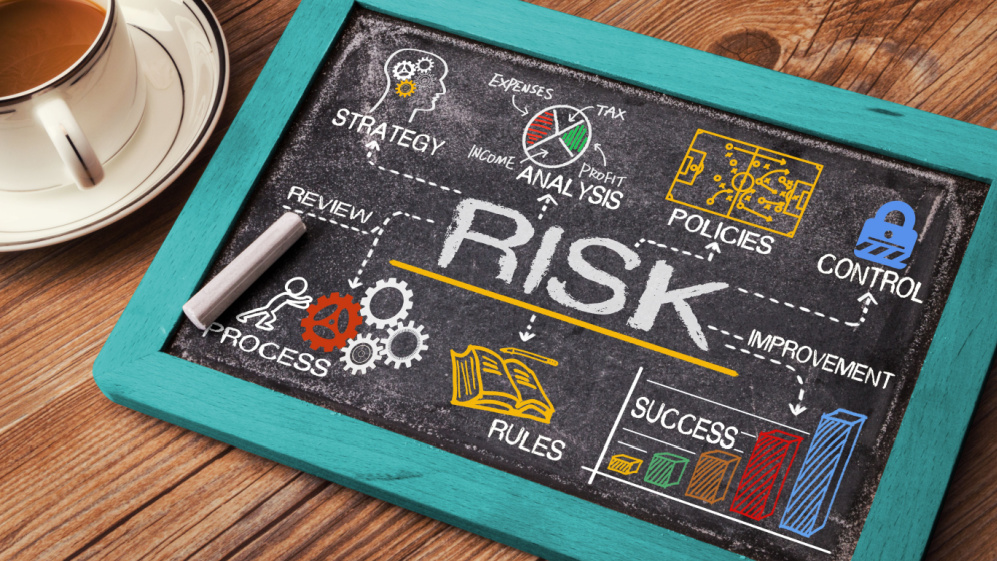
As we say at Fallston Group – “Anybody with an internet connection or recording device can wreak havoc on your brand.” In this fast-paced intersection of technology and business, professionals across various domains face the challenge of managing risks and proactively shaping the trajectory of organizations. At Fallston Group LLC (Expert Reputation Management | Fallston Group), a global reputation agency, we understand that Risk Intelligence (RI) is more than a buzzword; it’s a strategic mindset that underpins effective Crisis and Reputation Management – specifically, leadership, strategy, and communications. Please make no mistake: crises cost time, money, customers, careers, and in the worst-case scenarios, freedom and lives. We routinely ask our clients, ‘Are you ready to meet the moment?’ Often, the authentic answer is ‘no.’ Enter risk intelligence.
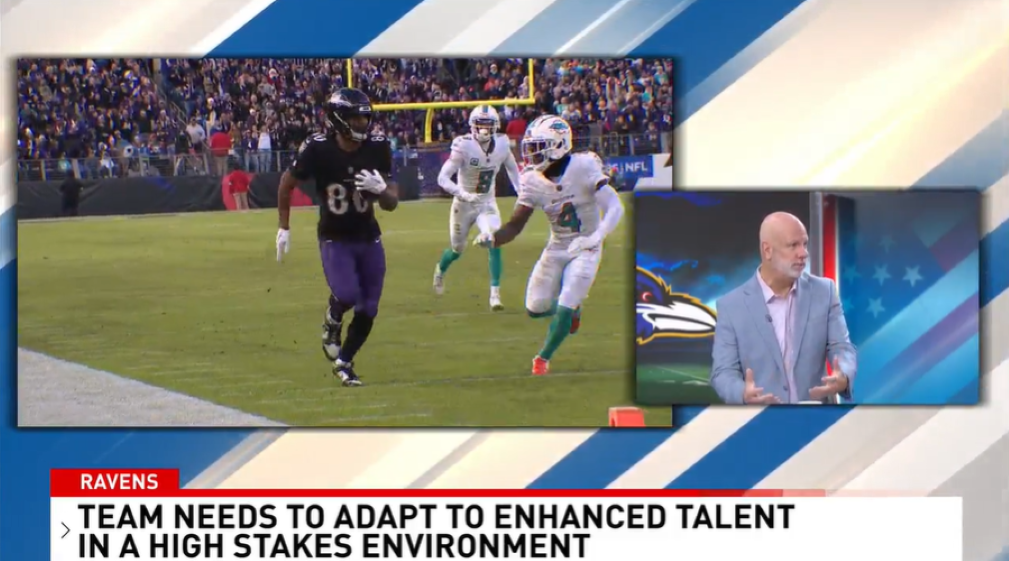
Fallston Group Joins Fox45 to Discuss the Baltimore Ravens’ Recent Success and Leadership Qualities.
Stay Safe During the Holidays!

The holiday season is a time for joy and celebration, but it’s also when package theft and security concerns escalate. With more than 1.7 million packages going missing or stolen each year in the USA, totaling up to $25 million in lost goods and services, it’s crucial to take proactive steps to protect your deliveries and ensure your personal and home safety during this festive time. Here are a few practical tips: Protect Package Deliveries Require a Signature for Delivery: Consider requiring a signature for your package deliveries. This adds an extra layer of security, ensuring your packages aren’t in the wrong hands. Use Package Tracking: Leverage the tracking features provided by delivery services like UPS or FedEx. This allows you to monitor the status and location of your packages in real-time, providing valuable information about their whereabouts. Install Security Cameras: Set up security cameras around your home to deter potential thieves. Visible cameras act as a powerful deterrent, and in the unfortunate event of theft, they can provide crucial evidence for law enforcement. Deliver to a Secure Location: If possible, have your packages delivered to a secure location, such as a locker or a trusted neighbor’s house. This minimizes the risk of packages being left unattended on your doorstep. Stay Safe While Shopping Be Aware of Your Surroundings: Stay alert and conscious of your surroundings when shopping at a mall. Avoid distractions and stay focused on your surroundings to spot any potential risks. Keep Personal Belongings Secure: Keep your personal belongings, such as wallets and phones, secure and within sight. Consider using a crossbody bag or a backpack with secure closures. Avoid Displaying Valuables Openly: Refrain from openly displaying valuable items, costly jewelry or substantial amounts of cash. Keep such items in discreet and secure locations. Use Well-Lit and Populated Areas: Opt for well-lit and populated areas when shopping. Avoid dark or isolated corners, as they provide opportunities for theft or unwanted incidents. Trust Your Instincts: Listen to your instincts. If something feels off or uncomfortable, don’t hesitate to seek assistance from mall security or store personnel. Park Safely Park in Well-Lit Areas: Choose well-lit parking spots close to the mall entrance. Well-lit areas deter criminals and provide a safer environment. Avoid Isolated Spots: Avoid parking in isolated areas, as they can make you an easy target. Opt for spots near security cameras and with good visibility. Lock Your Car: Always lock your car and roll up windows, even if you only step away for a brief time. This simple step can prevent opportunistic theft. Hide Valuables: Conceal valuables in your car or take them with you. Don’t leave tempting items in plain sight, as it may attract unwanted attention. Protect Your Home Use Timers for Lights: Create the illusion of an occupied home by using timers for lights. This can deter burglars who may be monitoring neighborhoods for vacant houses. Ask Neighbors for Assistance: Request neighbors to collect your mail and any packages left at your doorstep—an accumulation of mail signals an empty home. Avoid Social Media Announcements: Refrain from sharing your travel plans on social media. Broadcasting your absence can make your home a target for burglars. Ensure Doors and Windows Are Locked: Prioritize the basics – lock all doors and windows before leaving your home. This is a simple yet effective step to enhance security. Consider a Security System: Invest in a home security system for added protection. Modern systems offer remote monitoring and instant alerts in case of suspicious activity. Dispose of Packaging Discreetly: When discarding packaging from expensive purchases, do so discreetly. Avoid leaving boxes at the curb that showcase the valuable items inside. During the holidays, taking proactive steps to safeguard your deliveries, shopping experiences, and home security is essential. By implementing these practical tips, you can reduce the risk of package theft and enhance overall safety during this festive time. Stay vigilant, trust your instincts, and enjoy a secure and joyful holiday season!
Long-Term Leadership Gaps Weaken Organizations and Countries
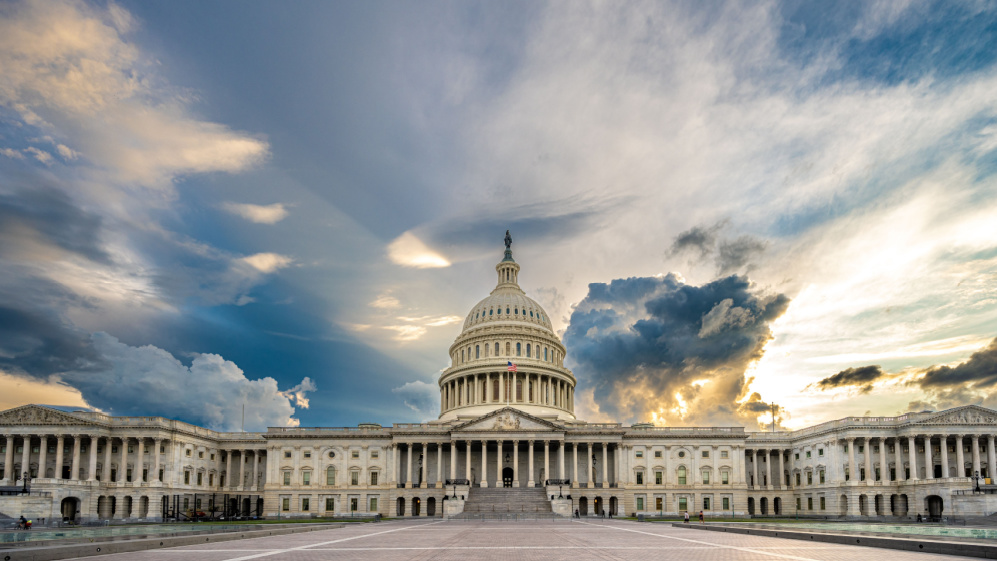
Regardless of where you stand politically, the role of the Speaker of the House in our country is of paramount significance. As the presiding officer of the House of Representatives, the Speaker assumes the responsibility for shaping the legislative agenda, orchestrating the passage of bills, and guaranteeing the efficient operation of the House. Beyond these operational duties, the Speaker plays a crucial role in maintaining the delicate balance of power, acting as a vital check on the executive branch, representing the House as a unified body, and personifying leadership within Congress. The Speaker’s function transcends mere importance; it is indispensable in upholding the public’s trust in the democratic system. Because of the prolonged vacancy in the Speaker’s position, there is consequence, among them being: Legislative Gridlock: The absence of a Speaker can paralyze the House, hindering its capacity to enact vital legislation and causing governmental gridlock, thereby impeding its responsiveness to pressing national issues. Impaired Checks and Balances: The Speaker’s presence is integral to maintaining the delicate power equilibrium between the legislative and executive branches. An absence weakens these checks and balances, risking an overreach of influence by the executive branch in legislative matters. Delayed Response to Crises: During crises, such as the current Middle East crisis, the Speaker guides the legislative response. Their absence can impede swift and effective government reactions when timely legislative action is imperative. Erosion in Public Confidence: According to Pew Research, ‘Public trust in the federal government, which has been low for decades, has returned to near-record lows following a modest uptick in 2020 and 2021. Currently, fewer than two in ten Americans say they trust the government in Washington to do what is right “just about always” (1%) or “most of the time” (15%). This is among the lowest trust measures in nearly seven decades of polling. Last year, 20% said they trusted the government just about always or most of the time. (https://www.pewresearch.org/politics/2023/09/19/public-trust-in-government-1958-2023/) Because Fallston Group focuses on building, strengthening, and defending reputations, let’s take a deeper dive into the erosion of public confidence and negative outflows of the Speaker vacancy: Perception of Dysfunction: The vacancy of the Speaker’s position creates a perception of government dysfunction, eroding public trust in the efficacy of the political system, thereby undermining the public’s faith in its capability to function effectively. Political Polarization: Exacerbated political polarization further entrenches the perception that partisan interests supersede national concerns, thereby deepening divisions within the government. Inaction on Key Issues: The inability to prioritize and advance pivotal national matters, such as healthcare, immigration, or climate change, in the Speaker’s absence frustrates the public and creates a sense of neglect. Public Distrust in Leadership: The Speaker embodies leadership within Congress, and the lack of their presence raises questions about the competence and leadership of elected officials. Consequently, cynicism and distrust in those in power intensify. Continuity is important at every level of leadership. Voter Apathy: Governmental dysfunction resulting from the Speaker’s absence discourages civic engagement and voter participation, potentially leading to a decrease in voter turnout and civic involvement, as the public becomes disillusioned with the political process. Voters must be heard, and apathy causes a slow, steady breakdown in our system. Regardless of political party, the Speaker of the House is more than a figurehead; their presence is integral to the proper functioning of our government and the preservation of public trust in the democratic system. The potential consequences of an unoccupied Speaker’s chair extend far beyond mere governance – they encompass the very pillars of our nation’s democratic foundation. Fill the post.
Fallston Group on Fox News: Top 5 Ways to Enhance School Safety for a Secure Learning Environment
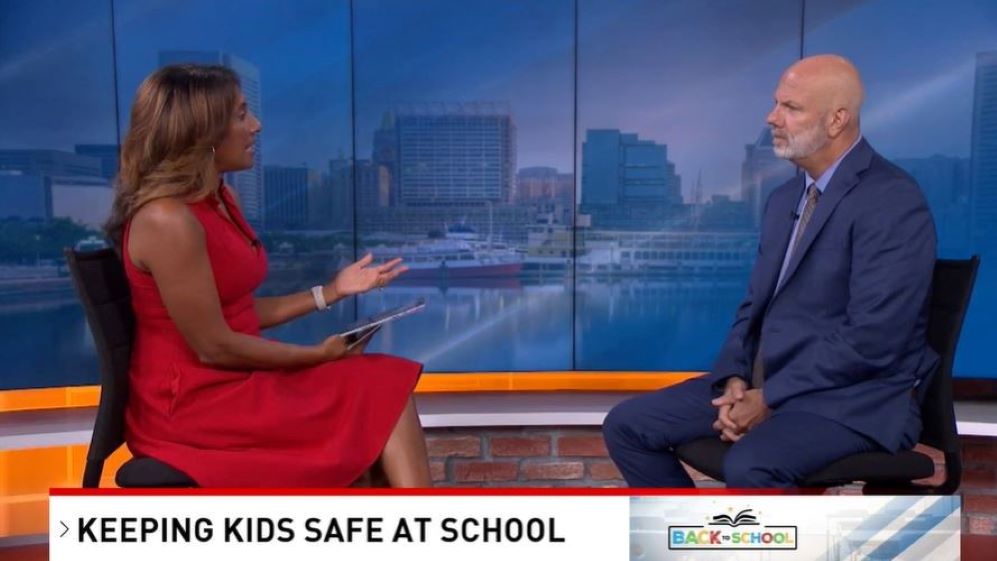
As many across the country are starting their school years, ensuring the safety of students, staff, and visitors within schools is paramount. In today’s world, it’s essential to implement effective measures to create a secure learning environment – both physically and emotionally safe. In this blog post, we will explore the top five ways to improve school safety, encompassing both physical security and the well-being of students. 1. Implement Comprehensive Security Measures To bolster school safety, it’s vital to establish robust security measures. This includes access control systems, surveillance cameras, visitor check-in protocols, and the presence of trained security personnel. Regular security audits ensure these measures stay up-to-date and effective, deterring potential threats and enhancing overall safety. 2. Prioritize Mental Health Support Emotional and psychological well-being is integral. Schools should offer counseling services, anonymous reporting systems, and staff training in recognizing signs of mental distress. Schools create a supportive environment that can prevent potential issues by addressing students’ mental health needs and providing mechanisms for reporting concerns. 3. Develop Comprehensive Emergency Response Plans Being prepared for emergencies is crucial. Regular drills, reliable communication systems, and collaboration with law enforcement agencies ensure that students and staff are well-equipped to respond to crises in the absence of an SRO (school resource officer). Effective emergency response plans help minimize chaos and ensure a coordinated and timely response. Organizational muscle memory is key. 4. Prevent Bullying and Fostering Inclusion Bullying can be a significant safety concern within schools. Implementing anti-bullying programs, establishing reporting mechanisms, and educating students about the harm caused by bullying are essential steps. By nurturing a culture of respect and empathy, schools create a safer and more inclusive environment for all. Bullying is not for free and those who choose to create an unsafe environment should be held accountable. 5. Leverage Technology-Based Solutions In the digital age, technology plays a pivotal role in school safety. Visitor management systems, emergency notification apps, and anonymous tip platforms enhance security and communication. These tools allow schools to respond swiftly to threats and keep parents and guardians informed about their children’s safety. Enhancing school safety is a multi-faceted approach. Schools will create a safer environment where students can thrive academically and emotionally by implementing comprehensive security measures, prioritizing mental health support, developing emergency response plans, preventing bullying, and embracing technology. Collaborative efforts from educators, parents, and the community are key to achieving this goal. Watch Video: https://foxbaltimore.com/morning/crisis-expert-discusses-strategies-for-school-safety-as-students-return-to-classes#
The Baltimore Orioles’ Winning Principles: Lessons from The Oriole Way
The Baltimore Orioles’ Winning Principles: Lessons from The Oriole Way In the world of sports, the Baltimore Orioles have stood out in 2023 not just for their turnaround winning record but also for the culture they have built around their success. At the heart of their achievements lies The Oriole Way, a set of principles established by Cal Ripken Sr. that has become synonymous with the franchise. These principles serve as invaluable lessons for corporations seeking to excel in their industries. From strategic player acquisitions to a strong emphasis on teamwork, the Orioles’ winning culture, rooted in The Oriole Way, showcases principles that can be applied to corporate settings. In this blog, we explore these principles and how they can drive corporate success. Strategic Player Acquisitions: The Oriole Way places great importance on strategic player acquisitions. Cal Ripken Sr. believed in carefully assessing the skills, character, and potential of individuals to build a strong team. This principle applies to corporations as well. To succeed, companies must be diligent in acquiring talent that aligns with their values and long-term goals. Investing in the right people from the start sets the stage for future success. Player Development: Cal Ripken Sr. and The Oriole Way emphasized the development of players. They believed in nurturing young talents and providing them with guidance and opportunities to grow. In the corporate world, this principle is equally important. Companies should prioritize investing in their employee’s professional growth, offering mentorship, training programs, and a supportive environment that encourages personal and career development. A commitment to employee development leads to a skilled and motivated workforce. Emphasis on Teamwork: Placing a strong emphasis on teamwork and collaboration, Cal Ripken Sr. believed that success on the field was a collective effort. Similarly, in the corporate world, fostering a culture of teamwork is essential. Encouraging collaboration, effective communication, and creating cross-functional teams can lead to improved productivity, innovation, and problem-solving. Unwavering Work Ethic & Determination: The Oriole Way instilled a strong work ethic and determination in its players. Cal Ripken Sr. believed in giving 100% effort and never settling for mediocrity. This principle holds true for corporations as well. Companies should encourage a strong work ethic and a culture of perseverance. Embracing challenges, maintaining a positive attitude, and striving for excellence are vital for long-term success. Leadership at All Levels: Recognizing the importance of leadership at all levels of the organization, Cal Ripken Sr. believed that leadership should not be limited to a few individuals but should permeate the entire team. Corporations can learn from this principle by nurturing leadership qualities in their employees. Encouraging individuals to take initiative, lead by example, and develop their leadership skills creates a culture of empowerment and accountability. The bottom line – own your space! The Baltimore Orioles’ winning culture in 2023 is deeply rooted in The Oriole Way. These principles of strategic player acquisitions, player development, teamwork, work ethic, and leadership offer valuable insights for corporations aiming to achieve excellence. By embracing these tenents, companies can foster a culture that values diligence, collaboration, continuous improvement, and effective leadership. Incorporating these principles into their corporate DNA sets the stage for long-term success and growth, just as it has for the Baltimore Orioles. As we embrace The Oriole Way, we embark on a journey of achieving greatness, both on and off the field. Now, Let’s Go O’s!
