

Crisis is a Growth Strategy!

Our team has been referred to as crisis leadership experts, operators and chief reputation officers. Nearly all the companies we’ve worked with want the same thing: for us to help them maintain control and weather the storm. That’s their definition of winning: to survive the crisis. But after decades helping people during life’s most critical times, we’ve come to realize that the real win is growth. Yes, we are saying what you think we’re saying: Crisis can be a growth strategy. We get it. You want to save your team, your partners, your shareholders… your brand. Even your vendors are depending on you to steer them out of the storm. You may have support, but really, it’s just you at the helm. You want to get to dry land as soon as possible. The last thing on your mind is how to grow your company. We want you to think differently. To get you out of the flight or fight mindset. Many in the marketplace confuse crisis management with surviving the next news cycle or spinning the current issue so that it looks good. I differ, you don’t spin your way through crisis, you lead your way through it. Crisis management is about leadership, strategy AND communications. Because, the decisions you make today will be judged by many for years to come. Crisis must be planned for, predicted and used as a springboard for growth. And if managed correctly, your organization will be bigger, faster, stronger than it was before that defining moment. Instead of merely surviving a crisis, your company could… Enhance operational efficiency. Become more profitable. Increase marketplace value. And, cement your long-term leadership legacy. Now that’s winning. For more information on how to build, strengthen or defend your reputation, contact Fallston Group today. Remember, the decisions you make today will be judged by many for years to come!
Lead Through Crisis; Don’t Spin!

What is Reputational Elasticity?

Papa Johns, FOX News, Roseanne Barr, the Donald, Starbucks – all embroiled for different reasons. While Starbucks has had its challenges, with its most volatile crisis sparking in Philly just this past year, let’s go back a few years during a time that Starbucks had to make another withdraw from its reputational piggy bank. In 2012, Starbucks found itself taking a major PR hit in the United Kingdom. The gourmet coffee shop chain faced a huge public outcry, including a well-orchestrated boycott for not paying enough taxes despite making enormous profits. According to media reports, using a clever—and perfectly legal—dodge, Starbucks had paid only £8.6 million in taxes since opening its first store in the UK 14 years earlier. The figure seemed ridiculously low, especially when it was revealed the chain had amassed £3 billion in sales over that time. Boycotts and protests took place at over 40 locations. The chain was hammered unmercifully on social media. Facing a fierce level of competition in the industry, Starbucks saw its sales drop. Soon enough, it offered to pay even more in taxes than required. And as the months went by, it desperately spent inordinate amounts of time and money repairing its sullied reputation. The lesson in all this? Reputation matters. It’s estimated that over 60 percent of market value is based on reputation alone (Weber Shandwick). Reputation is one of the most important, yet often underestimated, aspects of doing business today. When a crisis occurs, time and money are spent very quickly, not only dealing with the situation at hand, but defending and then repairing the reputation as well. The fact is, consumers have access to more information about the products they buy and the companies they support than ever before. A simple product search reveals much more than company-controlled data on a website, and certainly more than the information provided on product packaging. Recent reviews, newspaper articles and historical information about the product on the Internet all influence the reputation of its company. Which brings us to the term “reputational elasticity.” Elasticity of Demand is an elementary economic concept that describes a consumer’s willingness to buy a good or service when the price of the good or service increases. Reputational elasticity is a product of demand, and it is in direct proportion to how many choices an organization’s stakeholders (consumers) have. In the coming weeks, we’ll take a closer look at reputational elasticity, what it means and how it impacts the marketplace.
Fallston Group Chief Executive Rob Weinhold named 2017 Most Admired CEO by The Daily Record
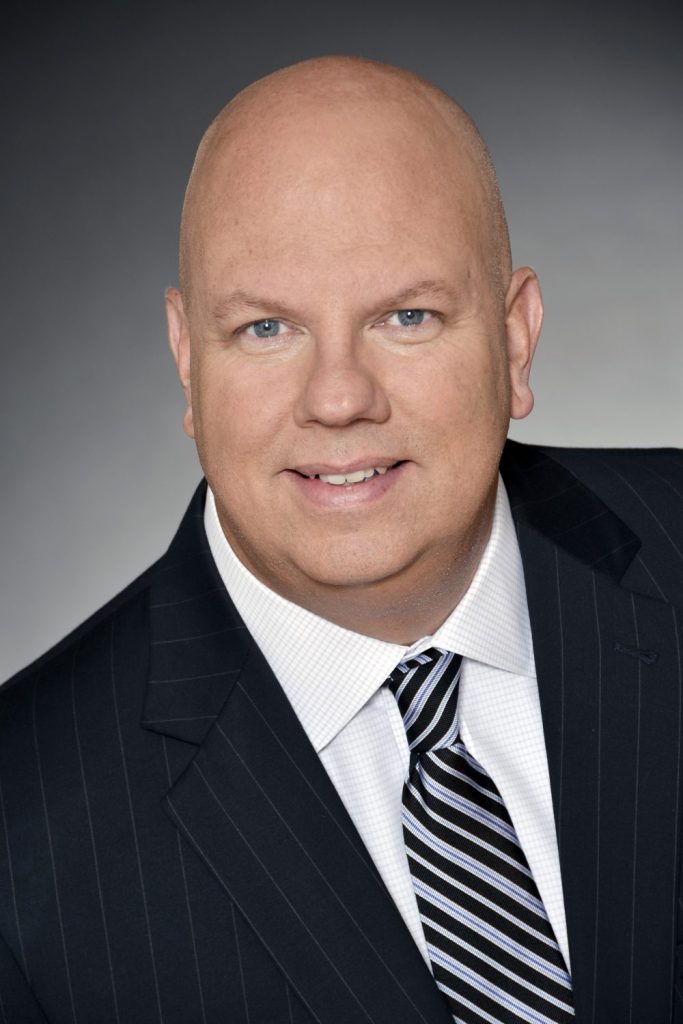
Baltimore-based Fallston Group, a global reputation agency, is pleased to announce that Rob Weinhold, the firm’s chief executive, has been named one of Maryland’s 2017 Most Admired CEOs by The Daily Record. The Daily Record created the Most Admired CEOs awards program to recognize talented business CEOs and nonprofit executive directors throughout Maryland for their leadership and professionalism. The winners were selected based on professional accomplishments, community service and letters of reference submitted by co-workers, board members and community leaders showing the CEO’s leadership and vision. “To be a Most Admired CEO means that you have gained the respect and admiration of those around you. It means you are making a positive impact on the lives of others,” said Suzanne Fischer-Huettner, publisher of The Daily Record. “Our honorees this year were nominated by co-workers, community organizations and other leaders not just for their professional achievements but because they are truly admired by their peers and employees. The Daily Record is pleased to recognize their leadership in our state and beyond.” After several decades of private and public sector leadership service, Weinhold launched Fallston Group in 2009 to continue his career mission of helping organizations during life’s most critical times. Throughout his career, Weinhold has been recognized for his unique ability to lead by creating vision and building consensus across diverse stakeholder bases, even during the most sensitive of times. He is routinely called upon by members of the national and local news media to provide perspective on crisis leadership, public safety and communications. Weinhold holds a graduate degree (MSM) from The Johns Hopkins University Carey School of Business and undergraduate degree from the University of Baltimore. He is nationally published (The Art of Crisis Leadership) and has trained and lectured in a variety of professional and academic settings on the topics of crisis leadership, communications, media relations, and public safety and security. “Receiving recognition as one of Maryland’s most admired CEOs is an unexpected honor and privilege. I was incredibly humbled to learn of the nomination and even more grateful to fully understand the true positive impact we have on our clients, partners and one another, each and every day,” said Weinhold. He adds, “Our team’s foundational mission is to help people during life’s most critical times. This prestigious award, and its supportive submissions, serve as career validation. I am grateful to have been honored among so many innovative, purposeful leaders.” Weinhold was honored in the category of Private Company with 50 or Fewer Employees at the annual Most Admired CEOs award dinner organized by The Daily Record on Thursday, November 9. Additional winners were chosen in the categories of Circle of Leadership, Nonprofit Less Than $10M in Annual Revenue, Nonprofit More Than $10M in Annual Revenue, Private Company with 50 or Fewer Employees, Private Company with 51-149 Employees, Private Company with 150-499 Employees and Private Company with More Than 500 Employees.
Meltdown in Rio: Ryan Lochte
Although Ryan Lochte is at the tail end of his swimming career, the 32-year-old still has some very serious repercussions stemming from his crisis in Rio.
Crisis: Turn Adversity into Advantage

Crisis costs time, money, customers, careers, and in the worst case of scenarios, lives. Make sure your organization has proper policies and procedures in place so when crisis strikes you can turn adversity into advantage.
Behind the Headlines With Kathy Walsh

In an interview with Cision, Fallston Group’s Director of Marketing Kathy Walsh discusses the importance of knowing what is being said about your brand, how to properly prepare for potential crises and why basic marketing principles are still relevant today.
Top Crisis Leadership Expert Authors New Book to Help Leaders at Every Level Turn Adversity into Advantage
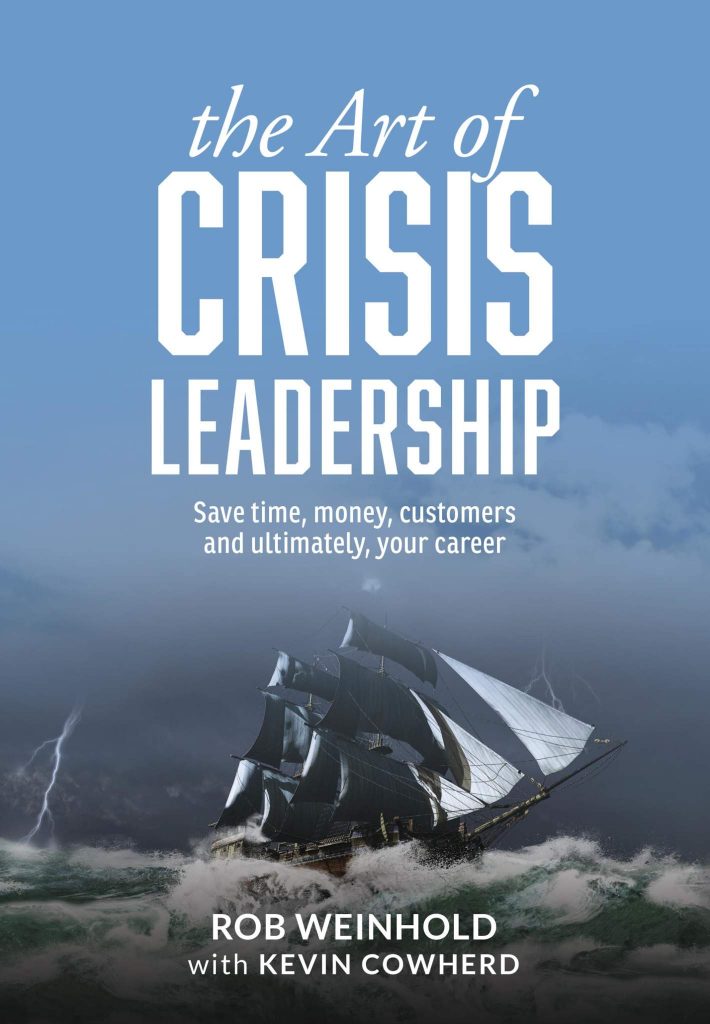
“The Art of Crisis Leadership” showcases real-life crises, from the Ray Rice scandal that engulfed the NFL’s Ravens to the deadly shootings at Virginia Tech and the tragic Baltimore riots, to illustrate key learning points that will help companies and individuals alike during life’s most difficult times.
And Ultimately, Your Career

Curt Schilling’s most recent social media tirade cost him his job, and the respect of many. Crisis costs time, money, customers, and careers.
When You Are the Face of Crisis: 5 Keys for Successful Media Relations

Being proactive and getting out in front of a situation is the best way to remain in control of it. Here are five keys for successful communication when facing the media.
